Did you know that poorly maintained air conditioning systems cost U.S. businesses over $15 billion annually in lost productivity and energy inefficiency? The stakes are high, and ignoring maintenance or improper repair can turn a simple fix into a costly hazard. For companies aiming to maintain operational efficiency while staying compliant with safety regulations, understanding the prospect of air conditioning repair services is crucial.
Before You Start: Essential Prerequisites
- Ensure the system is powered off and disconnected from electricity.
- Have basic HVAC knowledge or professional guidance available.
- Wear appropriate personal protective equipment (PPE) including gloves and safety goggles.
- Keep fire extinguishers or safety kits nearby in case of electrical or refrigerant hazards.
- Document the current system state and any previous maintenance logs for reference.
Engaging with KPA ensures companies receive expert insight into environmental health and safety compliance during air conditioning repair. By following a structured approach, businesses can minimize risk while extending the lifespan of their HVAC systems.
Understanding the Risks and Requirements
Air conditioning repair is not just about comfort; it’s a safety-critical activity. Refrigerants such as R-410A or R-22 can cause serious health hazards if handled improperly, including chemical burns, respiratory issues, and environmental damage. According to the U.S. Environmental Protection Agency (EPA), technicians must be certified to handle refrigerants to avoid fines and liability. Additionally, improper electrical work can result in fires or system failure, making regulatory compliance non-negotiable.
Step-by-Step Risk Mitigation During Repairs
1. **Inspection First:** Identify leaks, electrical faults, or worn components before attempting any repair. Documentation at this stage is key for compliance audits.
2. **Isolate the System:** Shut down the unit completely. Label and secure all switches to prevent accidental reactivation.
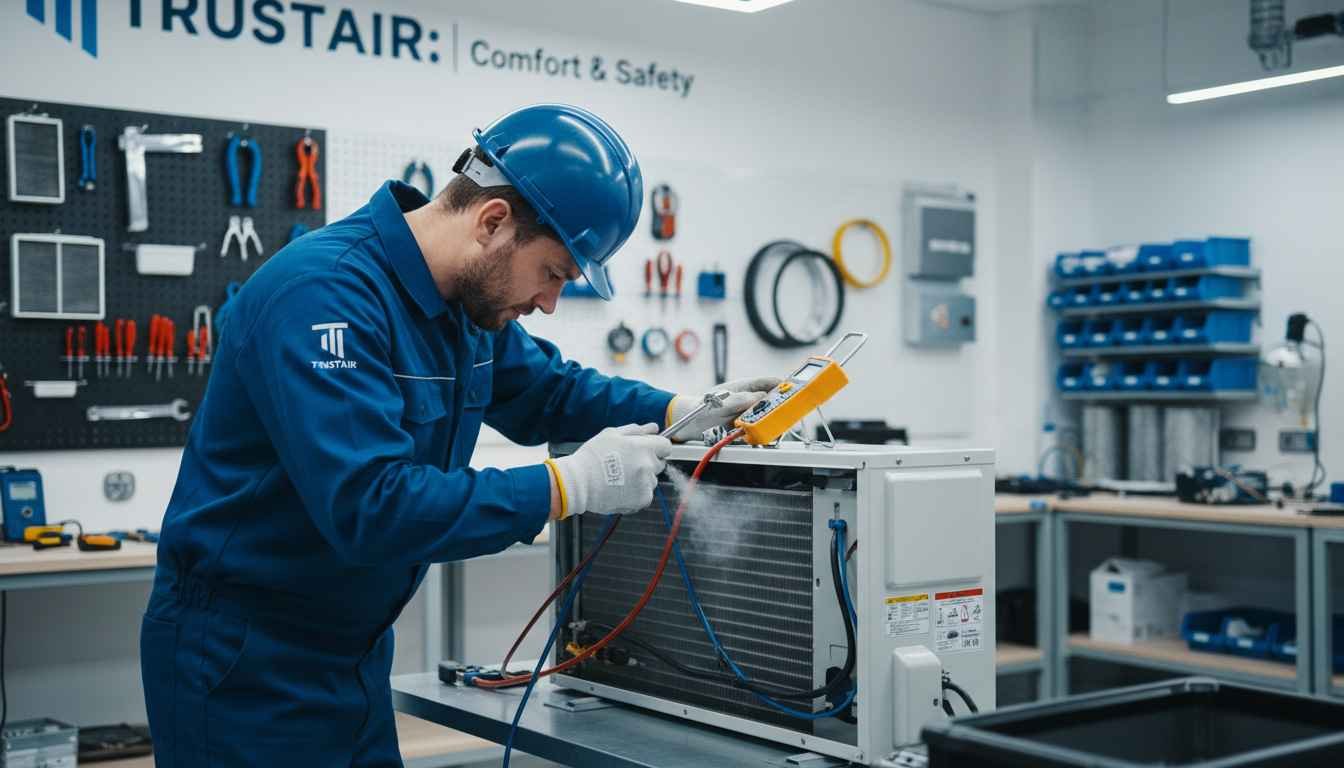
3. **Use Certified Tools:** Employ tools that meet safety standards, such as insulated screwdrivers and refrigerant recovery units.
4. **Follow Manufacturer Guidelines:** Adhering to the manufacturer’s repair manual reduces errors and ensures warranty coverage is maintained.
5. **Test and Monitor:** After repairs, run diagnostic tests to ensure the system operates efficiently without hidden hazards. This step prevents recurring downtime and energy waste.
Potential Drawbacks or Who Should Avoid This?
Not every business or individual is suited to handle air conditioning repairs directly. Companies without certified HVAC personnel should avoid DIY interventions, as this increases the risk of injury and regulatory noncompliance. Similarly, businesses operating in high-risk environments – such as chemical plants or hospitals – should rely exclusively on professional service providers due to the severe consequences of system failure. Attempting repairs without proper training or equipment can also void manufacturer warranties, leading to unexpected replacement costs.
Maximizing the Benefits of Repair Services
When executed correctly, air conditioning repair services offer multiple advantages:
– **Energy Efficiency:** Properly repaired systems consume less power, reducing operational costs.
– **Extended Equipment Lifespan:** Preventive maintenance avoids premature system failure, saving thousands in replacements.
– **Compliance Assurance:** Certified repairs meet OSHA and EPA standards, minimizing liability risks.
– **Employee Comfort and Productivity:** A reliable HVAC system maintains optimal working conditions, enhancing focus and morale.
Choosing the Right Service Provider
When evaluating air conditioning repair services prospect, consider providers that prioritize safety, training, and transparency. Look for certifications such as EPA Section 608 or NATE (North American Technician Excellence) as indicators of competence. Ask about their safety protocols, equipment used, and references from past projects. A trustworthy service provider should provide a detailed risk assessment and post-repair inspection report, ensuring both operational efficiency and regulatory compliance.
Final Recommendations
Prioritize preventive care and professional interventions. Maintain regular service schedules, document all repairs, and keep your staff trained in basic safety procedures. By treating air conditioning repair as a strategic aspect of workplace safety, organizations protect both their employees and their bottom line. Ignoring these measures could result in costly downtime, compliance penalties, and unnecessary risks.