Beauty transparency means a brand telling you what is really in its products, what its claims are based on, and how it makes and prices them. It sounds basic, yet for years much of the beauty industry ran on beautiful packaging and vague promises. Today, shoppers ask harder questions — and the brands that answer them honestly are winning trust. This guide explains what beauty transparency covers, how to judge it, and why it matters for your skin, your money and the industry.
Transparency is not a single label or badge. It is a habit: clear ingredients, honest claims, real evidence, and pricing you can understand. Once you know what to look for, you can separate brands that respect you from brands that only market to you.
Ingredients: The Foundation of Beauty Transparency
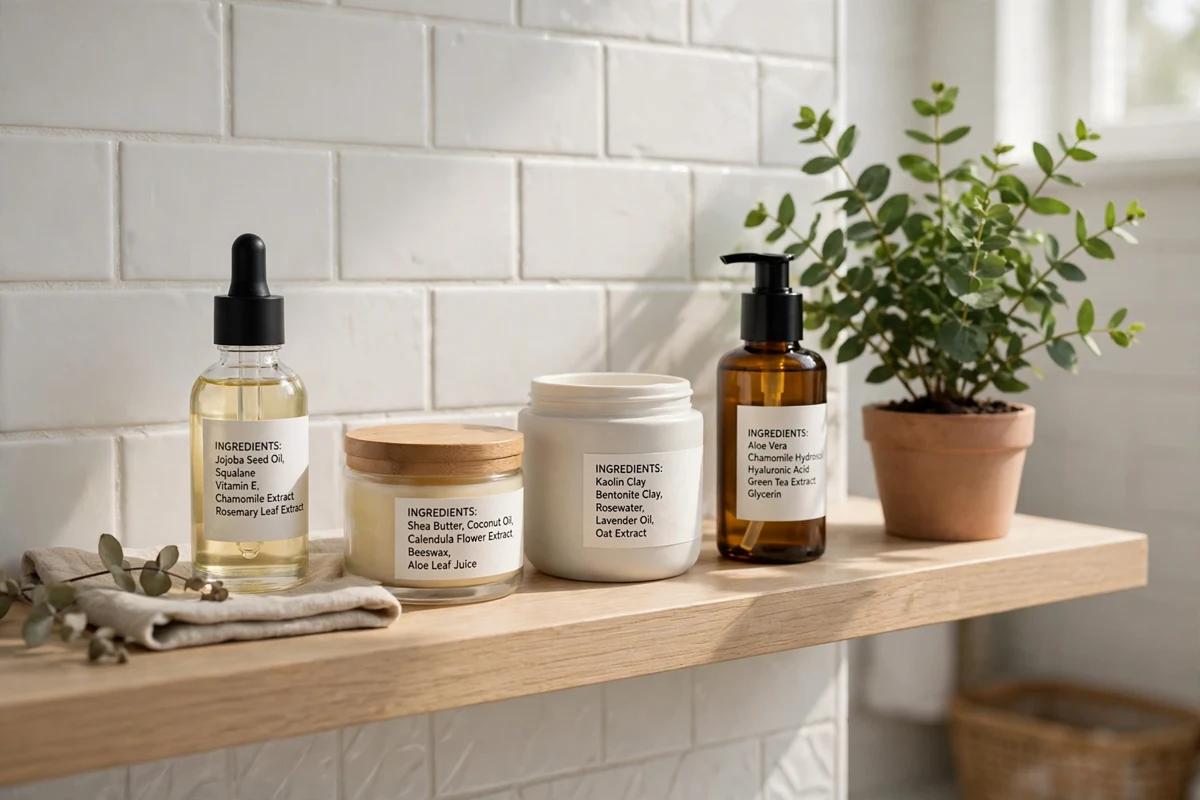
True beauty transparency starts with the ingredients list. In the UK, cosmetics must list ingredients in a standard order, and genuine brands do so completely. Be cautious of brands that hide behind terms such as “proprietary blend” for ordinary ingredients, or that highlight one fashionable ingredient while the formula is mostly fillers. The order matters: ingredients appear in descending order of concentration, so a celebrated active listed near the end is present only in tiny amounts.
Learn the basics of the ingredients you use most. You do not need a chemistry degree — just enough to recognise common actives, preservatives and fragrances, and to spot when a claim does not match the formula. If a brand refuses to publish a full ingredients list, or only shares it after purchase, that itself tells you something important.
What Transparency Looks Like in Practice
Consider two brands selling a similar moisturiser. The first lists every ingredient, explains what each active does, publishes the results of its consumer testing with sample sizes, and states its price breakdown in broad terms. The second shows a beautiful jar, names one hero ingredient, and promises “visible results in days” with no evidence at all. The first brand is practising transparency; the second is asking for blind trust. Transparency also shows in how a brand handles problems: does it publish recall information promptly, answer ingredient questions directly, and correct misleading claims? Watch how brands behave when challenged, not only what they say when selling. Customer service replies, frequently asked questions pages and public responses to criticism all reveal whether openness is a policy or a slogan.
Claims, Evidence and Testing
Beauty claims — “clinically proven”, “dermatologist tested”, “reduces wrinkles by 40%” — should rest on evidence you can understand. Honest brands explain what was tested, on how many people, and over what period. Vague claims with no method, no sample size and no timeframe deserve scepticism, as do before-and-after photos with different lighting, angles or retouching.
Testing transparency also covers safety. Genuine brands assess their products for safety before sale, as UK rules require. Our guide to cosmetic safety in the UK explains those requirements in plain terms. A transparent brand will talk about its safety assessment and testing openly; one that cannot explain how it ensures safety is asking you to take its word for it, and you should not.
Pricing, Sourcing and Sustainability Claims
Transparent pricing means understanding what you pay for: ingredients, formulation, packaging, testing, marketing and margin. Brands that explain their costs help you judge value honestly, while brands that charge luxury prices for ordinary formulas rely on you not asking. Similarly, sourcing claims — “natural”, “sustainable”, “ethically sourced” — should come with specifics: which ingredients, certified by whom, and what proportion of the product they cover.
Sustainability deserves the same scrutiny. A single recyclable box does not make a brand sustainable, and “clean” has no legal definition in UK cosmetics. Look for recognised certifications, published sourcing policies, and measurable commitments rather than slogans. The same care applies when you shop generally: our overview of the future of consumer products and services shows how buying habits are shifting toward brands that can prove their claims.
Transparency Protects You From Fakes Too
Transparent brands are also harder to counterfeit convincingly, because their packaging, batch codes and authorised sellers create a trail you can check. If you want to go deeper on that side of shopping safely, read our guide on how to spot fake cosmetics, which covers packaging clues, batch codes and the price traps that catch buyers out. Whether you are shopping at home or travelling — from places to visit in Paris beyond the tourist trail to anywhere else — the same rule holds: buy from sellers whose claims you can verify.
How to Judge Any Brand in Five Minutes
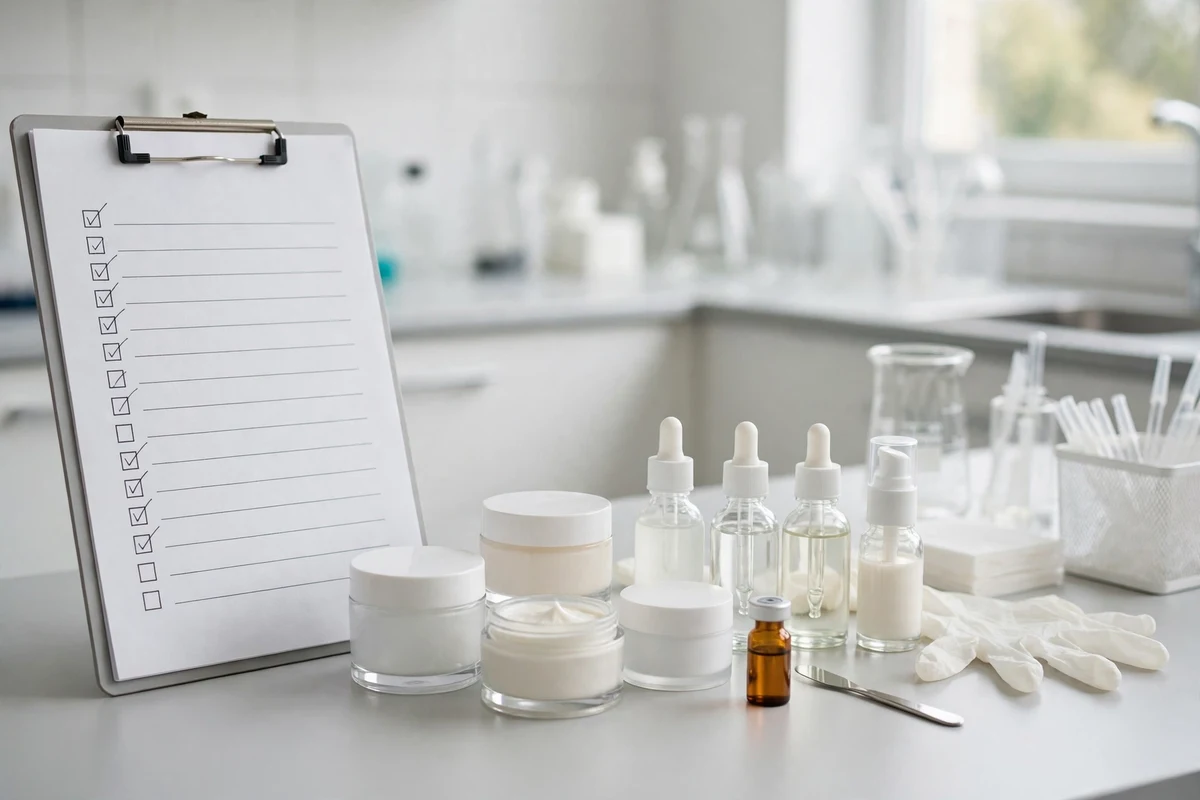
Use this quick check before you buy: is the full ingredients list published? Are claims backed by explained evidence? Is pricing understandable? Are sourcing and sustainability claims specific and certified? And can you verify the seller is authorised? A brand that passes most of these is practising real beauty transparency. One that fails most of them is selling you a story, not a standard.
Transparency benefits honest brands as much as shoppers. When brands share more, customers trust more, complain less, and return more often. By rewarding the brands that tell you the truth — with your attention and your money — you help make beauty transparency the industry norm rather than the exception. Start with your next purchase: check one label properly, ask one question, and notice which brands answer clearly.