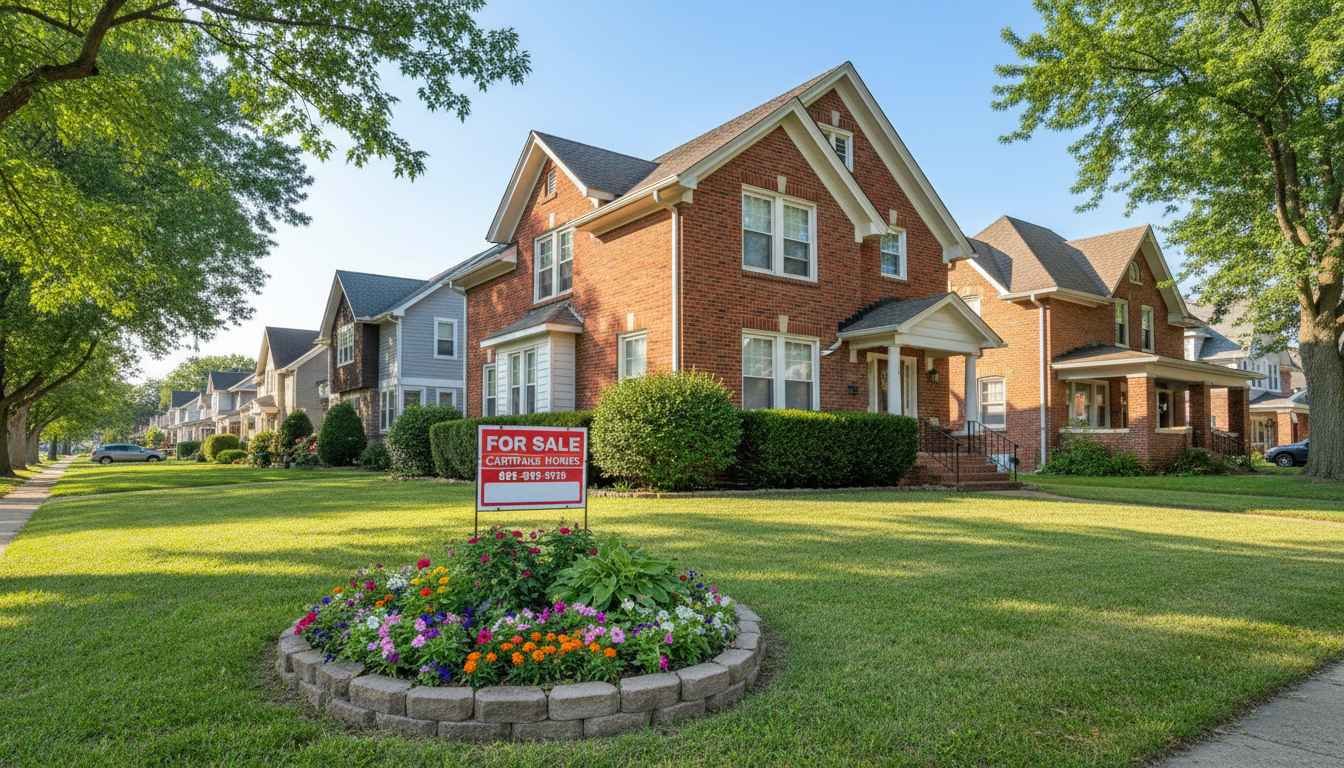
This topic is like a double-edged sword: on one side, you’ve got picturesque streets lined with classic Midwestern homes that practically whisper “stay awhile,” and on the other, the cold, hard reality of fluctuating property values, quirky zoning laws, and a housing market that can flip faster than a gamer rage-quits after lag spikes. Carthage, Missouri, isn’t exactly Times Square, but don’t let that fool you – the stakes are real, the homes are diverse, and navigating the market requires both patience and an uncanny sixth sense for spotting diamonds in the rough.
If you’ve ever scrolled endlessly through property listings while muttering “nope, nope, nope,” you’ll get the thrill here. Carthage real estate isn’t just about houses; it’s about strategy, timing, and a little bit of luck – like trying to snag a rare skin drop in an online loot box. Every property has a story, from stately brick ranchers with sprawling yards to fixer-uppers that seem to have been frozen in time since the 70s. And yes, the occasional haunted vibe exists, but hey, that’s part of the charm.
For those serious about diving into this market without getting lost in a maze of outdated listings, Locations offers a surprisingly sleek, easy-to-use home finder. Photos, property history, price trends – all neatly packaged so you can scout your next move without developing carpal tunnel from endless tabs.
The Carthage Market: Stats, Trends, and Quirks
Here’s where it gets juicy. The median home price in Carthage hovers around the mid-$200k range, but like any MMORPG economy, there’s a crazy spectrum. Some properties look like they belong in a tiny-town HGTV episode, while others could easily pass for small castles. Inventory is moderate, which means you’ll need to pounce fast or risk losing the loot to someone else.
But the market isn’t just about numbers. The city’s history – think Civil War-era architecture, quaint historic districts, and a sprinkling of modern development – creates a fascinating patchwork. It’s almost like exploring a game map with zones of varying difficulty. Each neighborhood has its own vibe, from quiet suburban streets ideal for family life to areas that attract entrepreneurs looking for a bargain with character.
Budget Breakdown
Imagine a pie chart (your imagination is the limit here, gamers!) where:
- 45% of your budget goes to the house itself – foundation, roof, walls, and that sweet kitchen you’ve been daydreaming about.
- 20% goes to inspections, closing costs, and those sneaky property taxes that hit like unexpected in-game fees.
- 15% is for renovations and repairs, because let’s face it, every Carthage house has a few “surprises.”
- 10% goes to furnishings and decor – turning that empty shell into your personal fortress.
- 10% is reserved for contingencies or that rare collectible vibe, because real life, unlike a game, doesn’t always respawn your gold.
Potential Drawbacks: Who Should Avoid This?
Not every property seeker is cut out for the Carthage grind. If you’re allergic to small-town quirks, impatient with slow-moving markets, or allergic to “unique charm” (a euphemism for eccentric landlords or oddly designed layouts), this might not be your playground. Also, while the town has its perks, job opportunities can be sparse compared to metropolitan hubs – so plan your economic quests wisely.
And let’s keep it real: data gaps exist. Some listings may not reflect the current state of the property, and zoning rules can throw curveballs that make you feel like you’ve hit a surprise boss battle. Due diligence isn’t optional here – it’s survival mode.
Neighborhood Spotlight: Zones Worth Your Attention
Downtown Carthage is where you get the historic flair. Victorian houses, brick facades, and a charming main street make this area a prime spot for those who love character and convenience. Schools are decent, and weekend farmers’ markets give the whole place a lively, community-driven vibe. Expect slightly higher prices here – you’re paying for both history and proximity.
Suburban Carthage, on the other hand, is like a low-difficulty farming zone: more predictable, less expensive, and perfect for families seeking space without breaking the bank. You’ll find newer constructions, bigger lots, and local parks – ideal for those who prioritize safety and green space over architectural drama.
Then there’s the outskirts: small acreage plots and quirky fixer-uppers. Here, the risk-reward ratio is off the charts. Buy wisely, and you could score a property that skyrockets in value. Buy carelessly, and you might end up buried in renovation costs that rival any in-game crafting expense.
Tips for Winning the Carthage Real Estate Game
1. **Scout Like a Pro**: Use advanced search tools to filter properties, price trends, and neighborhood stats. Sites like Locations make this easier than ever.
2. **Inspect Thoroughly**: Don’t skip inspections – you don’t want hidden “traps” like mold, outdated wiring, or a roof that’s one storm away from collapse.
3. **Negotiate Smart**: Sellers might be flexible, especially if a property has lingered on the market. Brush up on negotiation tactics or hire someone who knows the lay of the land.
4. **Know Your Limits**: Budget realistically. That “dream home” can quickly become a nightmare if finances aren’t handled prudently.
5. **Stay Agile**: The Carthage market can move unexpectedly. Be ready to act fast when the right property appears – hesitation can cost you dearly.
The Verdict
Carthage MO real estate for sale offers a curious blend of opportunity, charm, and unpredictability. For those who relish exploration and risk-reward mechanics, it’s a goldmine of potential. For the cautious or impatient, it can feel like wading through quicksand with a laggy controller. But whether you’re flipping homes, seeking a historic gem, or just looking for a cozy place to call your own, Carthage rewards strategy, research, and a willingness to embrace the quirky charm of small-town Missouri life.
In the end, diving into Carthage’s housing scene is less about “winning” and more about playing smart – scouting the map, avoiding hidden pitfalls, and claiming your prize. Approach it like a game: study the terrain, understand the mechanics, and always keep a contingency plan. Done right, you could snag a property that isn’t just a house, but a legacy – a base camp from which all future quests spring.