
Remember that iconic scene in *Interstellar* where the cornfields stretch endlessly under a dusty sky? That stark reminder of Earth’s finite resources mirrors the very challenges we face today. As daring explorers in our own right, understanding resources, environment, and sustainability isn’t just about awareness – it’s about action.
The Peggy Notebaert Nature Museum of the Chicago Academy of Sciences has long been a beacon connecting people to nature. Their exhibits, events, and educational programs illuminate how intertwined human life is with natural resources. Whether you’re a budding eco-warrior or just curious about sustainable living, these principles form the compass for your journey into environmental stewardship. For more hands-on insight, the Nature Museum offers an immersive experience that brings these concepts to life.
Adventure Checklist: Understanding Resources
1. Identify Renewable vs. Non-Renewable Resources
Before taking any meaningful action, know what you’re working with. Renewable resources like sunlight, wind, and fresh water replenish naturally, whereas non-renewable ones like coal, oil, and certain minerals are finite. Tracking your consumption habits can prevent depletion and encourage smarter, sustainable choices.
2. Map Your Local Ecosystem
Get hands-on! Explore local parks, rivers, and green spaces. Observe how plants, animals, and humans interact. Documenting these observations helps you understand resource distribution and environmental pressures, guiding you to solutions that are both practical and impactful.
3. Audit Personal Resource Use
Take inventory of your energy, water, and material consumption. Simple steps like switching to energy-efficient appliances, reducing single-use plastics, or conserving water can make a measurable difference. Even small actions ripple outward, influencing broader environmental health.
Environment: Safeguarding Our Planet
4. Understand Ecosystem Services
Ecosystems aren’t just pretty landscapes – they provide essential services like clean air, water filtration, soil fertility, and pollination. Recognizing the value of these systems helps prioritize conservation and informs sustainable development planning.
5. Embrace Biodiversity
The variety of life forms strengthens resilience. Protecting habitats and endangered species ensures that ecosystems can withstand climate stressors. Urban gardens, native planting, and wildlife corridors are tangible ways to contribute.
6. Track Environmental Impact
Tools like carbon footprint calculators and water usage trackers provide measurable data. Quantifying impact makes sustainability goals concrete and actionable, offering a roadmap for reducing ecological strain.
Sustainability: Strategies for Long-Term Survival
7. Adopt Circular Practices
Shift from a take-make-dispose mindset to one that emphasizes recycling, repurposing, and upcycling. Companies like Patagonia and IKEA are leading examples, showing that responsible consumption can coexist with economic growth.
8. Support Sustainable Supply Chains
From clothing to electronics, the origin of products matters. Opt for responsibly sourced materials, ethical labor practices, and eco-friendly packaging. Even small consumer choices send powerful signals to the market.
9. Engage in Community Initiatives
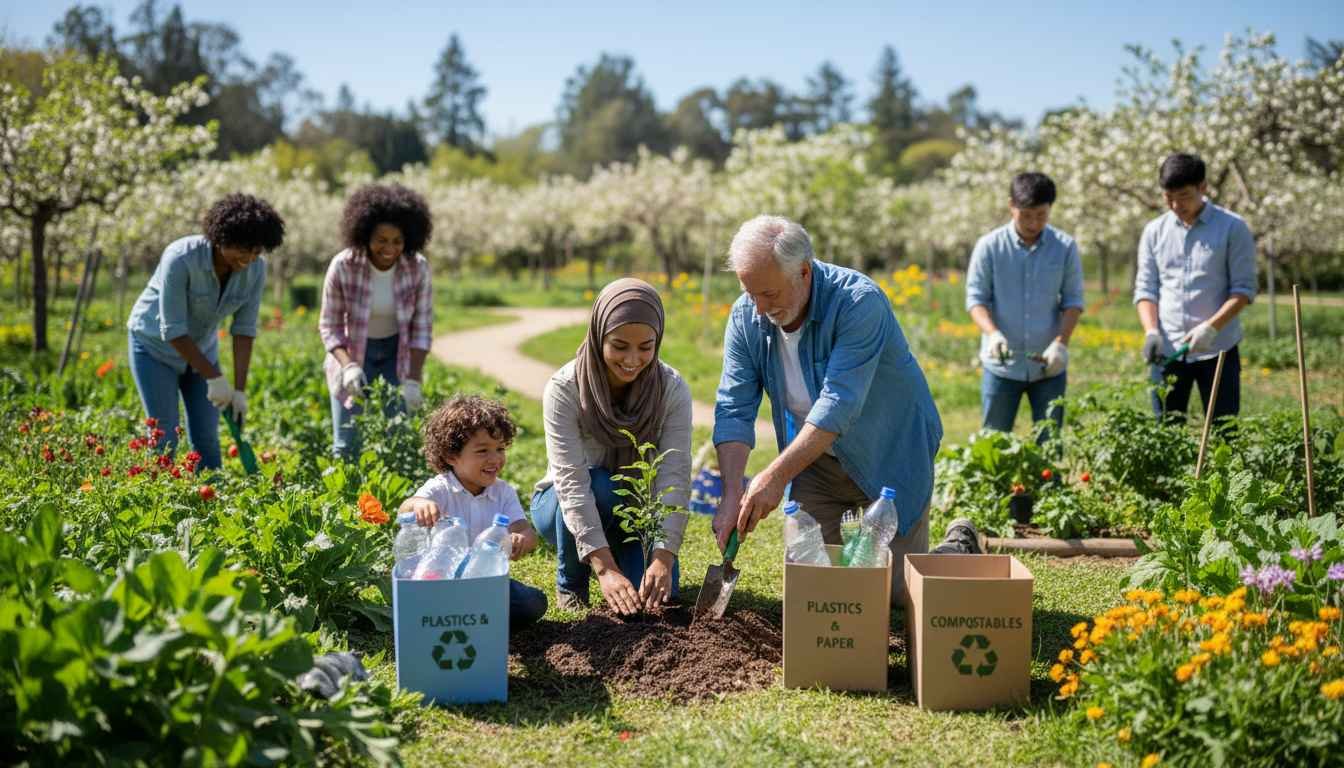
Grassroots action amplifies impact. Participate in tree planting, beach cleanups, or local sustainability councils. These efforts cultivate environmental literacy while building a network of like-minded advocates.
Real-World Case Study: The Chicago River Revival
Consider the Chicago River’s transformation. Once heavily polluted, decades of coordinated efforts – from local nonprofits to city agencies – have restored biodiversity and recreational value. Water quality improvements, habitat restoration, and sustainable urban planning illustrate how integrated strategies benefit both humans and ecosystems.
Warning
Environmental sustainability is a long-term commitment: quick fixes can create false security. Relying solely on technological solutions without behavioral change may lead to unintended consequences. Always evaluate both the ecological and social impacts of your actions.
Potential Drawbacks or Who Should Avoid This?
While embracing sustainability is largely beneficial, individuals or businesses unprepared for initial investment costs may face challenges. Transitioning to renewable energy, eco-friendly infrastructure, or sustainable supply chains requires planning and patience. Those seeking instant financial returns without long-term strategy may find the journey frustrating.
Final Steps: Your Action-Oriented Checklist
10. Educate and Advocate
Share your knowledge with friends, family, and local communities. Host workshops, write articles, or participate in public forums. Advocacy amplifies your individual impact and inspires systemic change.
11. Measure, Adjust, Repeat
Set measurable goals for resource use reduction, carbon footprint, and biodiversity support. Track progress regularly, refine strategies, and stay informed about new environmental research. Sustainability is an iterative adventure, not a destination.
12. Celebrate Small Wins
Every effort counts. Installing solar panels, reducing plastic waste, or planting a tree are victories worth celebrating. Sharing success stories encourages others to join the movement, creating a ripple effect of positive environmental action.
By following this checklist, you become more than a passive observer – you become an active participant in shaping a sustainable future. Adventure awaits, and the tools are in your hands. Your choices today ripple far into tomorrow, proving that bold, informed action is the ultimate path to preserving resources, the environment, and sustainability for generations to come.