Learning how to spot fake cosmetics matters more than ever. Counterfeit beauty products are now sold through online marketplaces, social media shops and even high-street stalls, and they can look almost identical to the real thing. The difference is what is inside: fakes may contain untested ingredients, banned substances or incorrect concentrations, and they carry none of the safety testing genuine brands must pass. This guide explains the warning signs, the checks that actually work, and how to shop safely in the UK.
The good news is that most fakes give themselves away if you know where to look. A few minutes of checking before you buy can save your skin, your money and a great deal of frustration.
Packaging Clues: The First Line of Defence
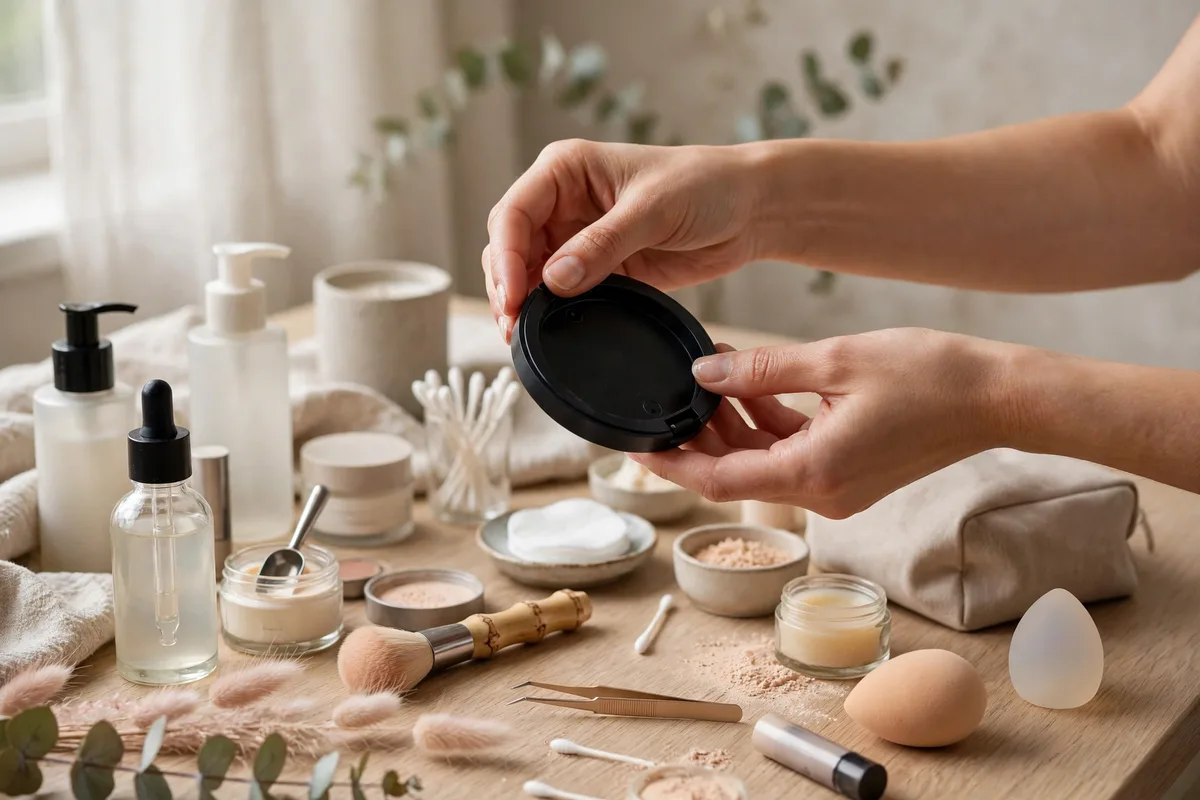
Start with the packaging. Genuine products have crisp printing, consistent colours, correct spelling and straight, well-aligned labels. Fakes often show blurry text, spelling mistakes, uneven fonts, or colours slightly off from the original. Compare against the brand’s official website photos if you can, paying attention to small details such as logo placement, cap shape and box seals.
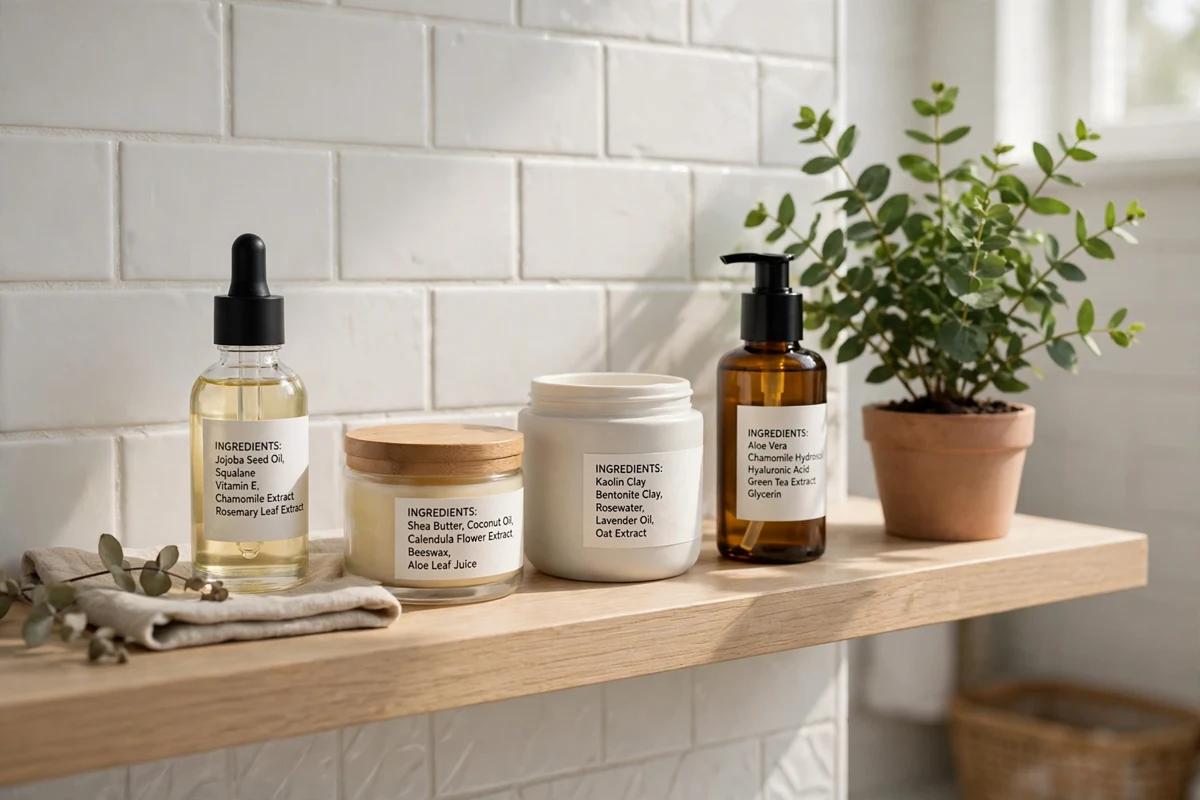
Check the barcode and batch code. Most genuine cosmetics carry a batch or lot code printed on the packaging, which the brand can verify. If the code is missing, smudged, or identical across many supposedly different items from the same seller, be suspicious. Some brands offer online batch checkers; where they do, use them. Also look for a period-after-opening symbol and a full ingredients list — both are required on genuine products sold in the UK, and their absence is a strong warning sign.
Checking Batch Codes and Barcodes
Batch codes deserve a closer look because they are one of the few checks counterfeiters struggle to fake well. A batch code is printed or embossed on the product or its box, and it tells the brand when and where that item was made. Genuine codes are consistent in format for a given brand, and the brand’s customer service can usually confirm whether a code is valid. If the code is missing entirely, printed in a different style from the rest of the packaging, or looks stickered over, treat the product with suspicion. Barcodes tell a similar story: scan the barcode with a phone app and check that it matches the product name and brand. A barcode that resolves to a different product, or to nothing at all, is a strong sign of a fake. Neither check is foolproof on its own, but together with packaging and price checks they make counterfeits much harder to miss.
Price, Seller and Source: Trust the Pattern
Price is often the clearest clue. A luxury serum or popular foundation sold at a fraction of its normal price is almost never a bargain — it is either fake, stolen, expired or diluted. Genuine retailers occasionally discount, but dramatic, permanent price cuts from unknown sellers should stop you. Ask yourself why this seller can undercut every authorised retailer, and what protection you have if the product harms you.
Buy from authorised retailers where possible: the brand’s own website, reputable department stores, pharmacies and well-known beauty retailers. On marketplaces, check the seller’s history, ratings and how long they have traded, and be wary of new accounts selling only high-demand branded goods. Keep your receipt and packaging until you are sure the product is right — you may need both for a return or a report.
What Is Inside Matters Most
Counterfeit cosmetics have been found to contain heavy metals, bacteria and ingredients banned in the UK. The risks range from rashes and breakouts to serious allergic reactions and long-term skin damage. If a product smells unusual, separates, irritates your skin, or looks different from a previous purchase of the same item, stop using it immediately and do not try to finish the bottle.
UK safety rules exist to protect you, and understanding them helps you judge any product. Our guide to cosmetic safety in the UK explains the regulations genuine brands must follow, from ingredient restrictions to labelling and safety assessment. If a product cannot show it meets those standards, it does not belong on your skin.
Buying While Travelling and Online
Counterfeits are especially common in tourist markets and from sellers targeting travellers, where unfamiliar surroundings make checking harder. If you buy cosmetics on a trip, stick to authorised stores and keep receipts, and be extra careful with street stalls and unbranded shops. The same caution applies to holiday shopping generally — whether you are exploring places to visit in Paris beyond the tourist trail or places to visit in Newport, Rhode Island, treat unfamiliar beauty sellers with the same care you would at home.
Online, the same logic holds for the wider consumer market: understanding how products reach you helps you judge a seller. Our overview of the future of consumer products and services looks at how buying habits are changing, and why authorised channels remain the safest route for anything you put on your skin.
If You Have Bought a Fake
If you suspect a product is counterfeit, stop using it, keep the packaging and receipt, and contact the seller for a refund. Report the seller to the marketplace and to Trading Standards, and tell the brand — most major brands have anti-counterfeit teams and want to know. Your report helps protect other buyers, and it creates a record if you need medical advice about a reaction.
Knowing how to spot fake cosmetics is a skill worth building, because counterfeiters improve their copies every year. Check packaging, question impossible prices, buy from authorised sellers, and trust your instincts when something feels wrong. Your skin deserves products that have passed real safety testing — and no bargain is worth the risk of one that has not.
Related Reading: Transparency and Trust
Spotting fakes is easier when you understand what honest brands do differently. Our guide to beauty transparency explains how clear ingredients, honest claims and verifiable testing separate trustworthy brands from the rest — the same habits that make counterfeits easier to recognise.