Most of us have a drawer of half-used lipsticks, a moisturiser of uncertain age and a mascara that has definitely been open too long. Beauty products do not last forever, and using them past their best can mean poor performance at best and irritated skin at worst. Understanding beauty product expiry dates is simpler than it looks once you know where to look and what the signs of a tired product are. This guide explains the symbols on the packaging, how long common products usually keep, and how to store your collection so everything stays safe and effective for as long as it should.
Where the Expiry Information Hides
Unlike food, cosmetics in the UK rarely carry a simple “best before” date. Instead, look for the open-jar symbol: a small pot with a number and the letter M, such as 6M or 12M. This is the Period After Opening, telling you how many months the product is designed to be used once opened. Products with a shelf life under 30 months may instead show a date of minimum durability, sometimes beside an hourglass or egg-timer symbol. You will also find a batch or lot code stamped or printed on the packaging, which manufacturers use to trace production. Our overview of cosmetic safety in the UK explains how these labelling rules fit into the wider safety system.
How Long Common Products Usually Last
Exact periods vary by formula, but some general patterns are worth knowing. Mascara and liquid eyeliner have the shortest working lives because the wand repeatedly carries bacteria back into the tube; most guidance suggests replacing mascara after a few months of regular use. Liquid foundations and concealers typically last longer, often around a year after opening, while powders such as blush, bronzer and eyeshadow are the marathon runners of the makeup bag and can keep well beyond that if brushes are clean. Skincare sits in between: creams in jars are exposed to fingers and air every day, so pump bottles and tubes tend to stay fresher for longer. Sunscreen deserves special care, because its protective filters degrade over time; using last summer’s half-finished bottle is a false economy.
Signs a Product Has Gone Off
Your senses are reliable expiry detectors. Throw a product away if you notice any of the following:
- A sour, rancid or unusually chemical smell that was not there before.
- Separation that does not remix when the product is shaken or stirred.
- Changes in colour, texture or consistency, such as graininess or curdling.
- A mascara or eyeliner that has dried out or become clumpy and harsh.
- Any product that suddenly stings or irritates skin it never bothered before.
If a product causes a reaction, stop using it regardless of dates. Genuine products are tested for stability and safety, which is one more reason to buy from reputable sellers and learn how to spot fake cosmetics, since counterfeit items come with no reliable dating at all.
Storage Habits That Extend Product Life
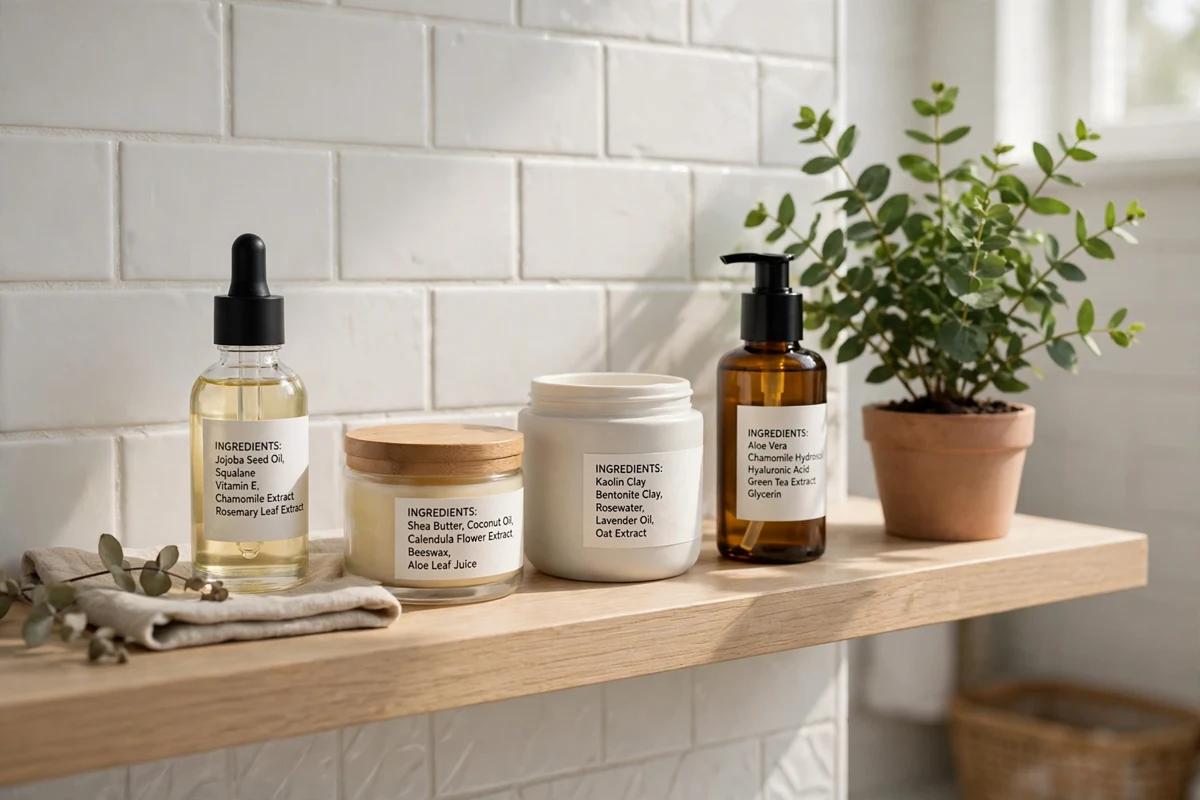
Heat, light and moisture are the enemies of cosmetic formulas. A steamy bathroom cabinet is convenient but not ideal; a cool, dry drawer away from radiators and sunny windowsills keeps products stable for longer. Keep lids on tightly, avoid sharing eye and lip products, and wash brushes and sponges regularly so you are not reintroducing bacteria into pots and palettes. Decanting products into travel bottles is fine for a trip, but label the bottle with the product name and the date you filled it, otherwise future you will have no idea what is inside.
What About Unopened Products?
An unopened product generally keeps longer than an opened one, because it has not yet met air, fingers or bathroom humidity. That is why the jar symbol counts from opening, not from purchase. Even so, unopened cosmetics are not immortal. Products stored for years in warm conditions can degrade before they are ever used, and sunscreen in particular should be bought fresh each season rather than stockpiled. If you are given gift sets or you buy spares of a favourite product, rotate your stock: use the oldest first, and store the spares somewhere cool and dark rather than on a sunny shelf.
Hygiene Habits That Work Alongside Dates
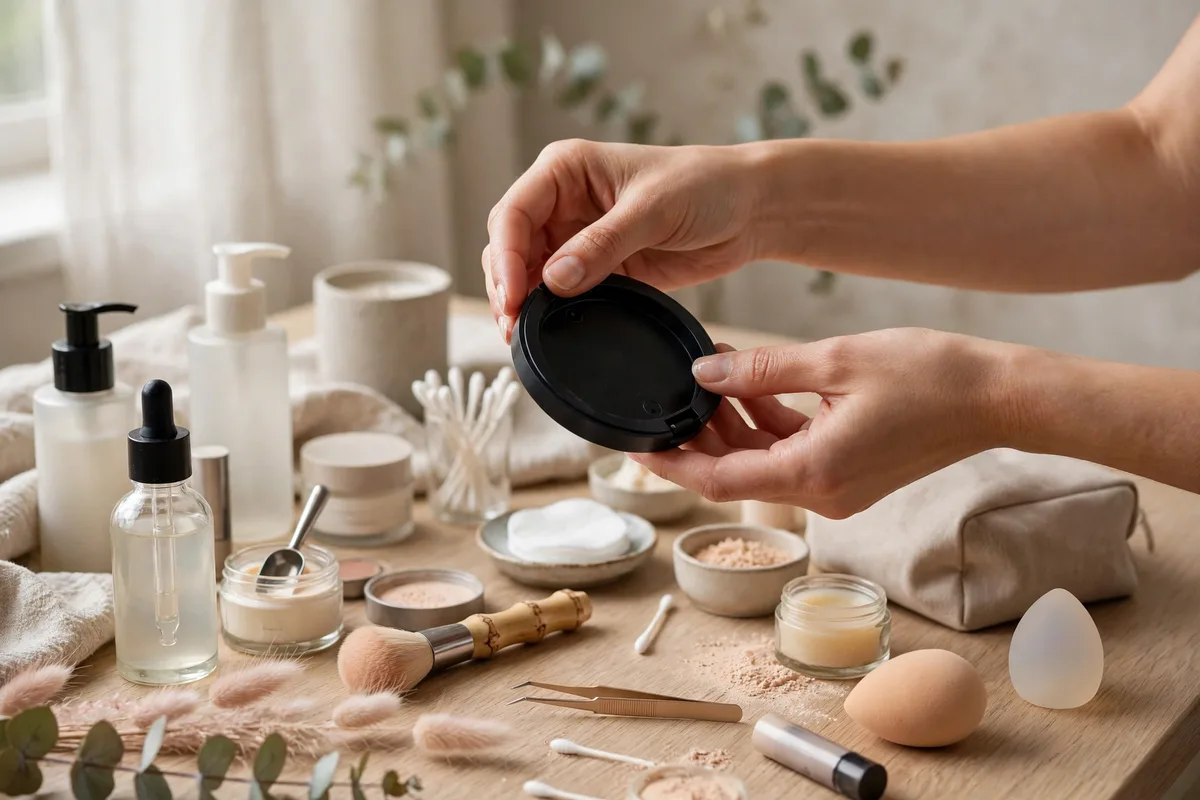
Dates are only half the story; how you handle products matters just as much. Never share mascara, eyeliner or lip products, because eye and lip infections pass easily between people. Use a clean spatula or cotton bud instead of fingers for creams in jars. In shops, use the disposable applicators provided with testers rather than applying them directly, and at home, resist the temptation to add water to dried-out products to revive them, since that dilutes the preservative system that keeps the formula safe. These small habits protect every product in your collection, whatever its date says.
A Simple System for Keeping Track
You do not need an app or a spreadsheet. When you open a new product, write the month and year on the base with a fine permanent marker or a small sticker. Every few months, do a five-minute audit of your makeup bag and bathroom shelf using the signs above. Honest labelling helps here too: brands that practise beauty transparency about what they tell you make these checks easier with clearer symbols and instructions. Buying slightly less, and finishing what you open, is the simplest expiry strategy of all, because a small, current collection rarely has time to go off.
Disposing of Expired Products Sensibly
When products do go in the bin, a little care helps. Empty jars and bottles can usually be rinsed and recycled with household glass and plastic where local schemes accept them, though pumps, mirrors and mixed-material compacts often cannot. Many beauty retailers run in-store recycling points for empties that kerbside collections refuse. Never pour large quantities of product down the drain; scrape leftovers into household waste instead. A regular clear-out, done kindly for the planet, also gives you an honest picture of what you actually use, which makes the next purchase a better one.
The Bottom Line
Beauty product expiry dates are not marketing tricks; they protect the skin you are trying to look after. Learn the open-jar symbol, note when you open things, store products cool and dry, and trust your nose when something smells wrong. Your future products will perform better, your skin will thank you, and that drawer of forgotten lipsticks will finally start to shrink.