
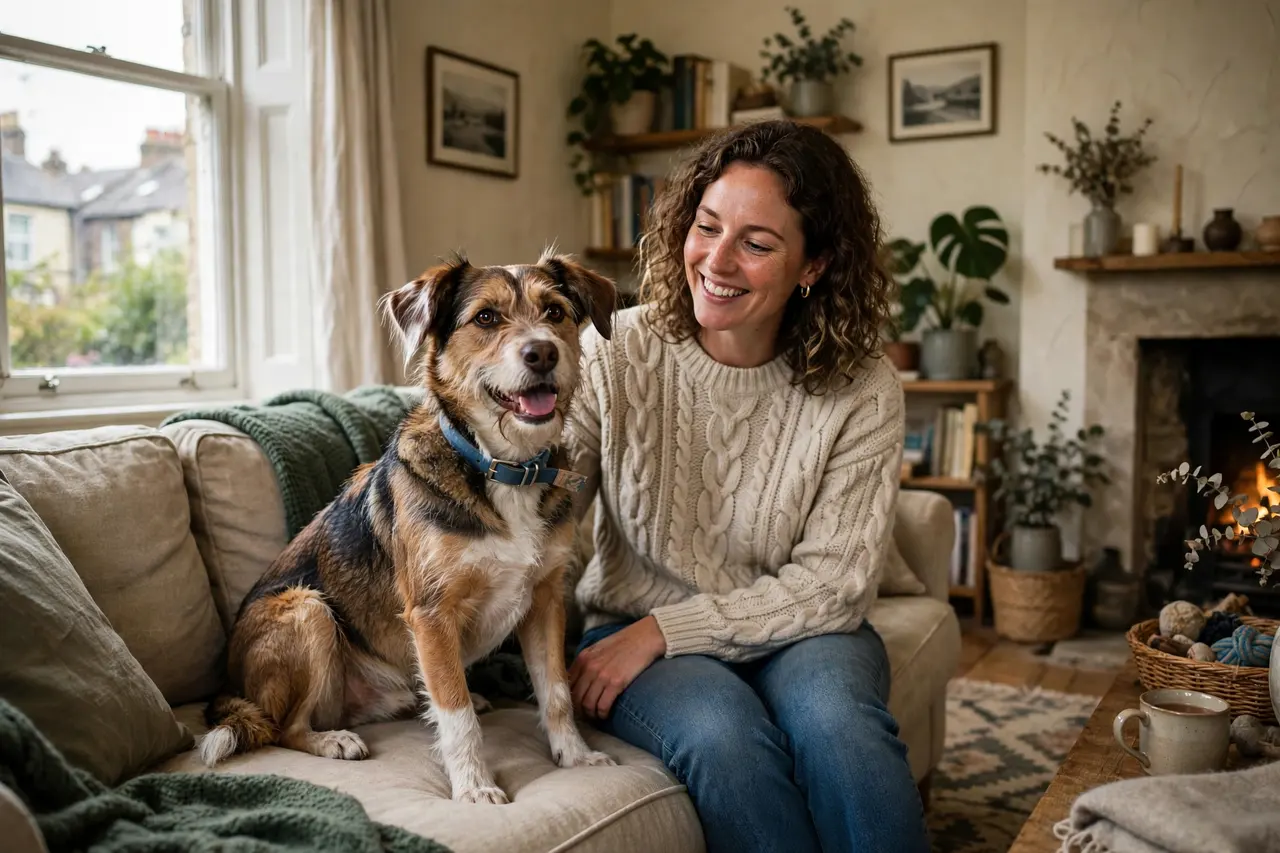
Adopting a rescue dog is one of the most rewarding decisions a UK household can make, but it is also a commitment that deserves proper thought before you fall for a pair of hopeful eyes on a rehoming page. Every year, rescue centres across Britain care for thousands of dogs whose owners could no longer keep them, and many of those dogs wait months for a second chance. If you are adopting a rescue dog for the first time, this guide walks you through the whole journey: choosing the right rescue, understanding the costs, preparing your home, and settling your new companion into family life.
Why More UK Owners Are Choosing Rescue Dogs
There was a time when buying a puppy was the default route into dog ownership, but attitudes have shifted. Adopting a rescue dog means giving a home to an animal that genuinely needs one, and it often suits modern lifestyles better than raising a puppy from eight weeks old. Many rescue dogs are already house-trained, past the destructive chewing stage, and their adult size and temperament are known quantities rather than educated guesses. Rescue centres also assess each dog’s health and behaviour before rehoming, so you start with an honest picture of the animal you are taking on.
There is a financial side too. A well-bred puppy from a reputable breeder can cost well over a thousand pounds, while adoption fees are usually a few hundred pounds and typically include vaccinations, microchipping, neutering and a health check. The saving, however, should never be the main reason to adopt. The right reason is that a rescue dog fits your home, your routine and your experience level.
Where to Adopt: Rescue Centres, Charities and Breed Rescues
Your first decision is where to adopt from. Large national charities run rehoming centres across the UK and list available dogs online, with detailed profiles covering temperament, energy levels and whether a dog can live with children or other animals. Smaller independent rescues often foster dogs in home environments, which can give you a clearer picture of how a dog behaves in a house rather than a kennel.
If your heart is set on a particular breed, breed-specific rescues rehome everything from retired greyhounds to working cockers. Retired racing greyhounds, for example, are famously gentle and undemanding house dogs despite their athletic image. Whichever route you choose, a reputable rescue will ask as many questions of you as you ask of them. Be wary of anyone willing to hand over a dog with no checks, no paperwork and no interest in your circumstances. If you are still weighing up buying instead, our guide to where UK buyers can find Douglas dogs without overseas delay shows the kind of checks that matter on the buying side too.
What Adopting a Rescue Dog Actually Costs
The adoption fee is only the starting point. Fees vary between centres and usually reflect the veterinary work already done, but you should also budget for the ongoing costs every dog owner faces:
- Food and treats — a medium dog typically costs a noticeable monthly sum to feed well, and costs rise for large breeds.
- Insurance — pet insurance is strongly recommended; premiums depend on breed, age and the level of cover.
- Veterinary care — annual boosters, flea and worm prevention, and the unexpected bills insurance does not cover.
- Equipment — bed, crate if you plan to use one, lead, harness, food bowls, toys and grooming basics.
- Training and boarding — classes for dogs who need them, and kennels or sitters when you travel.
None of this should put you off, but going in with open eyes is part of responsible adoption. Rescue centres would far rather talk honestly about costs than see a dog returned because the budget did not stretch.
The Home Check and Adoption Process, Step by Step
Most rescues follow a similar process. You register your interest, discuss your lifestyle with the team, and meet the dog — usually more than once, and with any resident dogs in tow. A home check follows, either in person or by video. This is not an exam to catch you out; the checker is looking for a secure garden, sensible fencing, and a realistic plan for exercise, feeding and time alone.
If you rent, expect to show written permission from your landlord. If you work full-time, expect questions about who lets the dog out at lunchtime. Honest answers lead to better matches: a high-energy young collie in a small flat with nobody home all day helps nobody, while a calm older dog might be the perfect fit. Once approved, there is usually a short settling-in trial or a follow-up call after adoption day to make sure everything is going well.
Preparing Your Home Before Arrival Day
Before your dog comes home, walk through your house at dog height. Move cleaning chemicals, medicines and small chewable objects out of reach, secure loose cables, and check that garden gates latch properly. Set up a quiet corner with a bed where the dog can rest undisturbed — rescue dogs in particular need a retreat while they decompress.
Stock up on the basics before arrival day rather than after: food (ideally the same food the rescue has been feeding, to avoid stomach upsets), bowls, a well-fitting collar with an ID tag showing your details as UK law requires, a lead, and waste bags. Our review of whether Pets Megastore is legit is a useful read before ordering supplies from any online pet retailer you have not used before.
The First Month: Settling Your Rescue Dog In
Rescue staff often talk about decompression: many dogs need days or weeks simply to relax, sleep properly and learn that the new home is safe. Keep the first week quiet — no parties, no stream of visitors, no overwhelming trips. Establish a gentle routine for feeding, walks and rest, because predictability is what builds a nervous dog’s confidence.
Some dogs arrive with quirks: pulling on the lead, guarding toys, anxiety around men in hats, or no idea what a staircase is. Patience and consistency fix most of it, and a good force-free trainer is worth every penny if you feel out of your depth. By the end of the first month, most adopters describe the same moment: the dog chooses a spot on the rug, sighs, and sleeps deeply — the unmistakable sign that they finally feel at home.
Travelling and Holidays With Your Rescue Dog
Once your dog has settled, you can start planning life together beyond the daily walk. Many UK hotels and holiday rentals now welcome dogs, but policies vary widely on size, number of dogs and extra charges, so always check before booking. Our breakdown of the Staybridge Suites pet policy shows the kind of detail worth confirming with any hotel chain. For dogs who are not ready to travel, a trusted sitter or a gradual introduction to kennels is kinder than a stressful trip.
Final Thoughts on Adopting a Rescue Dog
Adopting a rescue dog is not about rescuing in the dramatic sense; it is about matching a dog that needs a home with people who are ready to provide one properly. Choose a reputable rescue, be honest about your lifestyle, prepare your home and your budget, and give your new dog the time and routine they need to settle. Do that, and the dog you bring home will repay you in the way rescue dogs have a habit of doing — completely, and for the rest of their life.