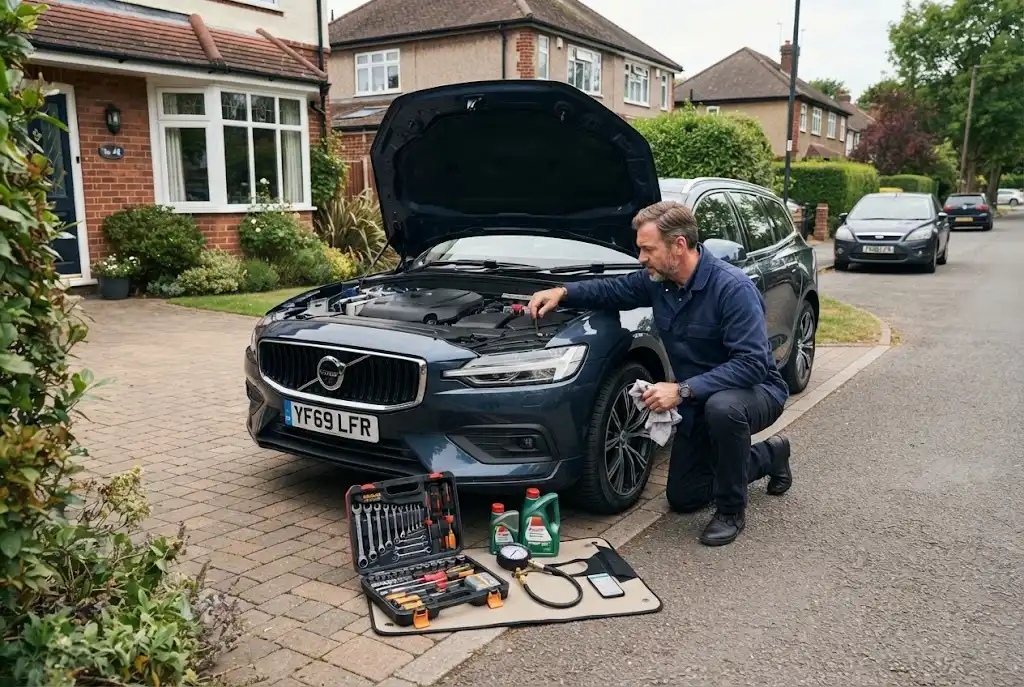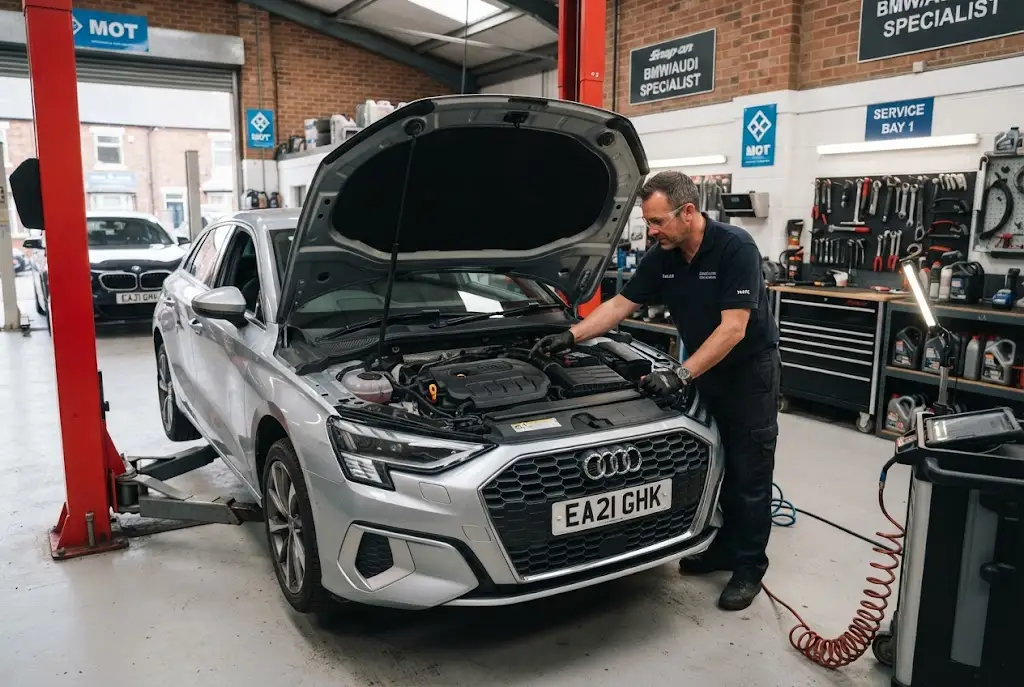
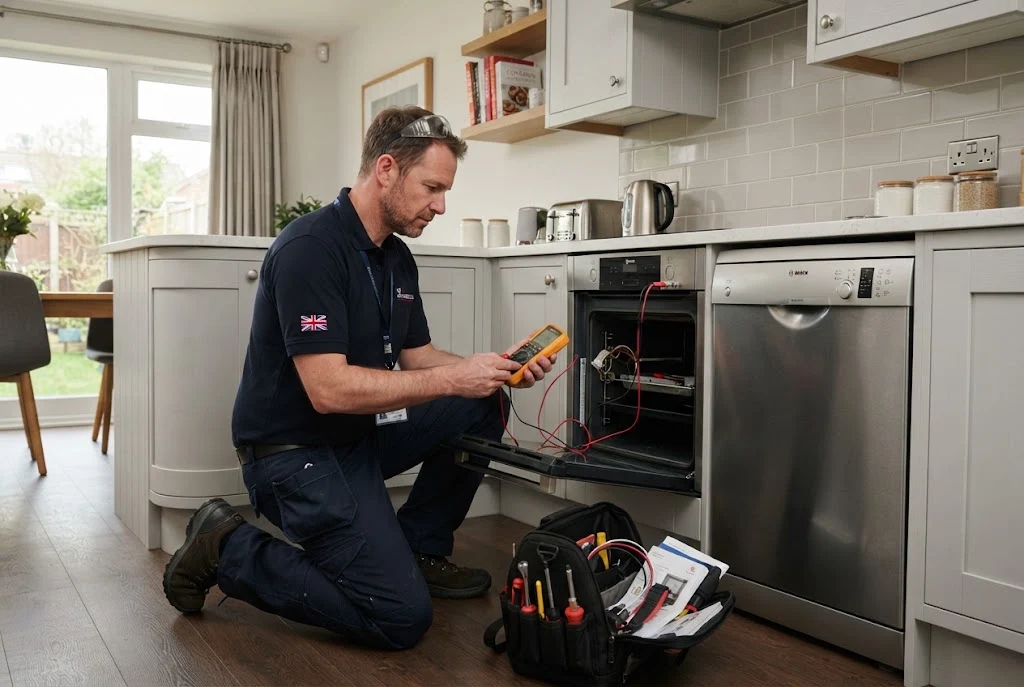
Reliable appliance repair services can save homeowners the inconvenience and expense of replacing a household appliance that has developed a fault. From washing machines and dishwashers to ovens, refrigerators and other essential equipment, appliances eventually experience wear and operational problems.
Knowing when to repair an appliance, when to call a professional and when replacement makes more sense can help you make a practical decision. Some faults are straightforward, while electrical or gas-related problems should be assessed by an appropriately qualified professional.
This guide explains what appliance repairs typically involve, the most common household appliance problems, how to choose a repair service and how regular maintenance can help extend the useful life of your appliances.
What Are Appliance Repair Services?
Appliance repair services cover the diagnosis, maintenance and repair of domestic appliances used around the home. Depending on the technician’s qualifications and the type of business, this can include kitchen appliances, laundry equipment, refrigeration appliances and other household electrical equipment.
A typical repair begins with an assessment of the appliance and the symptoms reported by the homeowner. The technician may test relevant components, identify the likely cause and explain whether the appliance can be repaired.
If a replacement component is required, the final cost may include the part, labour and any applicable call-out or diagnostic charge. Before approving substantial work, ask for a clear explanation of what needs to be replaced and what the total price is expected to be.
Common Home Appliance Repairs
Household appliances can fail in many different ways. Some problems are immediately obvious, while others appear as gradually declining performance.
Washing machine problems
A washing machine may stop draining, fail to spin, leak water or refuse to start. Repeatedly ignoring unusual sounds, leaks or error messages can allow a relatively manageable fault to become more disruptive.
Before arranging a repair, check the manufacturer’s instructions for basic troubleshooting. However, avoid dismantling the machine unless you have the necessary knowledge and the work is safe to perform.
Dishwasher faults
A dishwasher that does not drain, clean dishes properly, heat water or complete its cycle may need professional attention. Blocked filters or drainage problems can sometimes cause performance issues, but electrical and internal component faults require more careful diagnosis.
Regular filter cleaning and following the manufacturer’s maintenance recommendations can help keep a dishwasher operating efficiently.
Oven and cooker problems
Ovens can develop faults involving heating, temperature control, electrical components or controls. If an oven is not reaching the expected temperature or switches off unexpectedly, professional diagnosis may be needed.
Gas appliances require particular care. Gas appliance repairs and servicing should be carried out by an appropriately qualified professional rather than attempted as a DIY project.
Refrigerator and freezer problems
A refrigerator that is not cooling properly can quickly become a serious household inconvenience. Problems may relate to temperature control, seals, fans or other components.
If food-storage temperatures appear abnormal, deal with the issue promptly and follow appropriate food-safety guidance while the appliance is being assessed.
When Should You Repair Home Appliances?
It is usually worth investigating an appliance fault when the appliance is relatively new, expensive to replace or appears to have developed a repairable problem.
The decision becomes less straightforward when an appliance is older and has already required several repairs. In that situation, compare the estimated repair cost with the cost of a suitable replacement.
You should also consider the appliance’s importance to your household. A minor fault in a rarely used appliance may be less urgent than a breakdown affecting refrigeration, cooking or laundry.
Repair Home Appliances or Replace Them?
One of the most common questions homeowners face is whether to repair home appliances or replace them.
There is no universal rule. A repair may make financial sense if the fault is relatively inexpensive and the appliance is otherwise in good condition. Replacement may be more practical when repair costs are high, faults are recurring or the appliance has reached the later part of its expected working life.
Ask the technician for an honest assessment rather than assuming that every faulty appliance should be repaired. A good professional should explain the available options and let you make the final decision.
How to Choose Appliance Repair Services Near Me
Searching for home appliance repairs near me can produce many local businesses, but proximity alone should not determine your choice.
Before booking a technician, consider their experience with your specific appliance type and brand. Some businesses specialise in particular categories, while others offer broader household repair services.
- Check whether the technician works on your appliance type.
- Ask whether there is a diagnostic or call-out charge.
- Find out whether parts and labour are priced separately.
- Ask whether you will receive a quotation before additional work.
- Check recent customer feedback where available.
- For gas appliances, confirm the appropriate professional registration.
A transparent repair process is generally preferable to choosing a provider solely because it advertises the cheapest price.
Household Electrical Repairs and Safety
Many domestic appliances connect directly to the electrical supply, so safety should always be a priority. A tripped circuit breaker, burning smell, damaged cable or visible electrical damage should not be ignored.
Do not continue using an appliance that appears electrically unsafe. Disconnect it only if you can do so safely, and arrange an assessment from a suitably qualified professional.
Household electrical repairs should not be treated like ordinary DIY maintenance. Attempting to diagnose or repair electrical components without the necessary knowledge can create additional risks.
What About Gas Appliance Repairs?
Gas appliances require additional caution. If a gas cooker, boiler or another gas appliance develops a fault, use an appropriately qualified and registered professional for the work.
Gas-related repairs are different from ordinary appliance maintenance because incorrect work can create serious safety risks. If you smell gas or suspect carbon monoxide, follow the relevant emergency safety guidance rather than attempting to investigate the appliance yourself.
For heating appliances, routine maintenance is also important. Homeowners can learn more about the role of regular boiler servicing and its costs when managing gas heating equipment.
How Appliance Servicing Can Prevent Problems
Not every appliance needs an annual service in the same way a gas boiler does. Maintenance requirements depend on the appliance and the manufacturer’s recommendations.
Nevertheless, simple preventative care can help. Clean filters, check seals, remove accumulated debris and follow the manufacturer’s instructions for cleaning and maintenance.
For example, a blocked dishwasher filter can affect performance, while a damaged refrigerator door seal can make it harder for the appliance to maintain the desired temperature. Identifying these issues early can help avoid unnecessary strain on the appliance.
Dishwasher Service and Maintenance Tips
A dishwasher service may be appropriate when the appliance continues to perform poorly despite basic cleaning and troubleshooting.
Between professional appointments, homeowners can keep the filter clean, avoid overloading the dishwasher and use the appliance according to the manufacturer’s instructions. Check spray arms and remove visible debris where the instructions permit it.
If the dishwasher repeatedly stops mid-cycle, fails to drain or produces unusual noises, a professional assessment can determine whether a component needs attention.
How Much Do Appliance Repairs Cost?
The cost of an appliance repair varies considerably. The type of appliance, fault, replacement parts, labour time and location can all affect the final price.
A simple repair involving an accessible component may be relatively inexpensive, while a complex fault requiring specialist parts can cost considerably more.
For that reason, it is difficult to provide one meaningful nationwide price for appliance repairs. Ask for a breakdown of the expected costs before authorising significant work.
If the technician charges a diagnostic fee, clarify whether that amount is deducted from the final repair bill if you proceed with the work.
Signs You Should Stop Using an Appliance
Some appliance faults should not be treated as minor inconveniences. Stop using an appliance and seek professional advice if you notice:
- A burning or unusual electrical smell
- Smoke or visible scorching
- Damaged electrical cables or plugs
- Repeated electrical trips
- Significant water leakage
- Gas smells or suspected gas faults
- Unusual overheating
- Serious or rapidly worsening mechanical noises
Safety should always come before trying to save money on a repair.
Can Regular Maintenance Extend Appliance Life?
Good maintenance can help appliances operate as intended, although it cannot prevent every breakdown. Cleaning, correct operation and timely attention to developing problems are all useful habits.
It is also worth keeping manuals, warranty information and repair records. If an appliance develops another problem later, this information can help a technician understand its history.
Where an appliance remains under warranty, check the warranty conditions before arranging independent repair work. Unauthorised repairs may affect warranty coverage depending on the terms.
When Professional Appliance Repairs Make Sense
Professional appliance repair services are particularly useful when the fault is difficult to diagnose, involves electrical components or requires specialist parts and tools.
Calling a professional can also save time. Instead of replacing an appliance based on a guess about the fault, a technician can assess whether a repair is technically and financially sensible.
However, not every problem requires a technician. Simple tasks such as cleaning filters, checking settings or following manufacturer-approved troubleshooting steps may resolve minor issues without professional intervention.
Final Thoughts on Appliance Repair Services
Reliable appliance repair services can help homeowners restore essential kitchen and household equipment without immediately replacing it. The right approach is to identify the symptoms, check safe manufacturer-approved troubleshooting steps and seek professional assistance when the problem requires specialist knowledge.
Before choosing a repair provider, compare experience, pricing transparency, qualifications and customer feedback. For electrical and gas-related faults, safety should always take priority over convenience or price.
With sensible maintenance and prompt attention to developing problems, homeowners can make better decisions about when to repair, maintain or replace their appliances.
As homeowners navigate the complexities of maintaining their appliances, it is crucial to consider how these essential devices contribute to overall home safety and functionality, particularly for aging residents. The intersection of appliance reliability and senior safety becomes increasingly relevant as we seek to create environments that cater to the unique needs of the elderly. For instance, ensuring that appliances operate without fault not only enhances convenience but also mitigates potential hazards in the home. This proactive approach dovetails with the importance of implementing necessary adjustments to living spaces, such as those related to home adaptations for elderly, which further promote a secure and accessible living environment. Such modifications, when paired with regular appliance maintenance, foster a holistic strategy for safeguarding the well-being of all household members.
While understanding the nuances of appliance repair is essential in making informed decisions about maintenance and repair, homeowners should also consider the financial implications of unexpected breakdowns. This is where appliance insurance can play a crucial role. Such coverage can mitigate the financial strain associated with unforeseen repair costs, providing peace of mind and enabling homeowners to prioritize the longevity of their appliances without the worry of sudden expenses. By aligning repair strategies with protective insurance policies, individuals can create a comprehensive approach to managing their household’s essential equipment, ensuring both functionality and financial stability in the long run.