Well-planned home adaptations for elderly residents can make everyday living safer, more comfortable and easier to manage. Simple changes such as improving lighting, adding secure handrails or adapting a bathroom can reduce common obstacles around the home. Larger modifications may also help someone continue living independently when mobility or accessibility needs change.
The best approach is not to make unnecessary changes all at once. Instead, identify the areas of the property that create the greatest difficulties and choose practical improvements that match the resident’s needs, the layout of the home and the available budget.
What Are Home Adaptations for Elderly Residents?
Home adaptations are changes made to a property to improve accessibility, safety or usability for someone whose needs have changed. For older residents, this may involve physical modifications that make moving around the home easier or reduce the risk associated with everyday activities.
Adaptations can be relatively small, such as fitting additional lighting or installing a grab rail. They can also be more substantial, including modifying a bathroom, changing access arrangements or adapting entrances and living spaces.
The most effective improvements are usually those that solve a specific problem rather than simply adding equipment without considering how the person uses the property.
Why Consider Home Adaptations for Elderly People?
A home that was comfortable to use years ago may become more challenging as mobility, balance, strength or confidence changes. Stairs, slippery floors, narrow access points and poorly positioned fittings can all create difficulties.
Appropriate modifications can make routine activities easier and may allow someone to remain in a familiar environment for longer. They can also make the property more practical for family members or professional carers who provide assistance.
Accessibility should therefore be considered as part of wider home improvement rather than treated as a separate issue. A well-designed adaptation can improve both functionality and day-to-day comfort.
Common Home Accessibility Services
Home accessibility services can cover many different types of assessment, installation and modification. The exact service required depends on the property and the individual’s circumstances.
Common areas for improvement include bathrooms, entrances, stairways, bedrooms, kitchens and circulation routes between rooms.
Bathroom Accessibility
Bathrooms are often a priority because water can create slippery surfaces and many activities require standing, sitting or transferring between different positions.
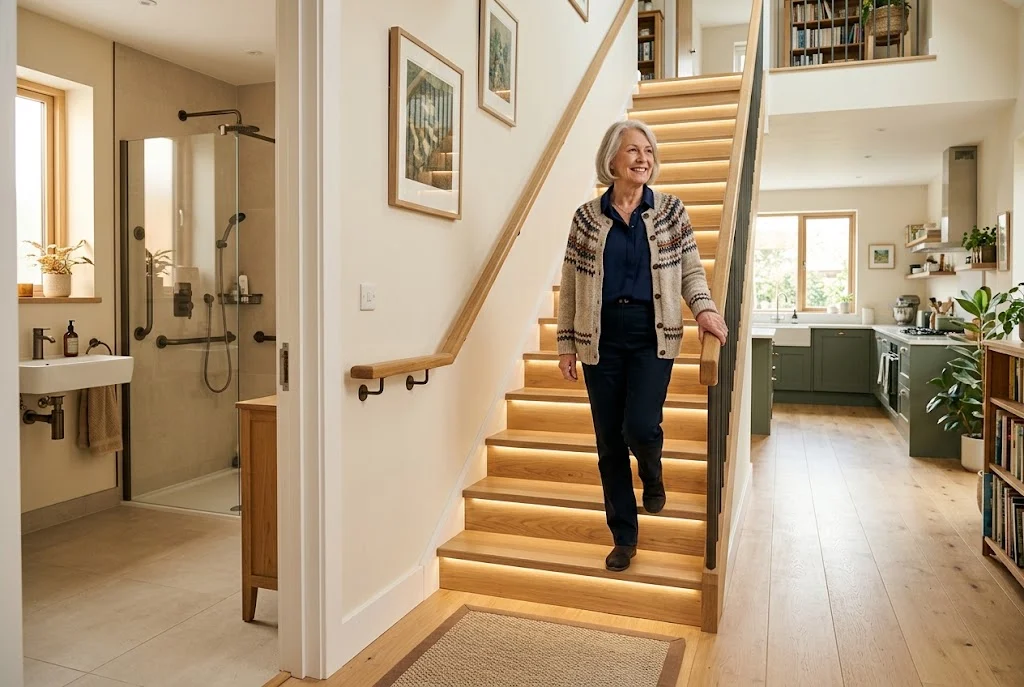
Potential adaptations may include secure grab rails, improved access to shower areas, suitable seating and changes to the layout or fittings. The objective is to make essential tasks easier while providing stable and practical points of support.
Stair and Entrance Improvements
Stairs can become difficult to navigate when mobility changes. Improving handrails, lighting and visibility can make stairways easier to use.
Entrance areas may also benefit from better lighting, clearer pathways or modifications that improve access to the property. Where a significant change is required, professional assessment is advisable before work begins.
Bedroom and Living Areas
Furniture arrangement can have a major effect on accessibility. Removing unnecessary obstacles can create clearer routes between rooms and make everyday movement easier.
Frequently used items should ideally be positioned where they can be reached without excessive stretching, bending or climbing. This is particularly useful when reorganising a room as part of a wider accessibility project.
Elderly Home Modifications That Can Improve Safety
Elderly home modifications should focus on practical risks rather than simply changing the appearance of a property. Several relatively straightforward improvements can make a noticeable difference.
- Improve lighting in hallways, stairways and frequently used rooms.
- Keep walking routes clear of unnecessary furniture and trailing cables.
- Use secure handrails where additional support is needed.
- Consider suitable bathroom safety equipment.
- Make commonly used switches and controls easy to reach.
- Repair damaged flooring and remove avoidable trip hazards.
- Improve visibility around entrances and external pathways.
- Arrange specialist assessment where more substantial adaptations are required.
Every home is different, so these measures should not be treated as a universal checklist. An adaptation is most useful when it addresses a genuine difficulty experienced by the person living in the property.
Mobility Home Improvements for Everyday Living
Mobility home improvements can help make movement around the property more practical. The right solution depends on whether the main challenge involves walking, stairs, transferring between furniture or accessing particular rooms.
For example, a home may benefit from rearranging furniture to create wider clear routes. In another property, improving access to a bathroom or entrance could be a much higher priority.
Where mobility equipment is involved, it is important to consider measurements, installation quality and the person’s ability to use the equipment safely. A product that looks useful in isolation may not be suitable for a particular room or individual.
Home Safety Adaptations to Consider First
Home safety adaptations are often most effective when they address the areas used every day. Start by considering where accidents, near misses or difficulties have already occurred.
Look at entrances, stairs, bathrooms and kitchen areas. Check whether lighting is sufficient and whether floors provide a stable walking surface. Consider whether commonly used objects can be reached safely without using chairs or steps as improvised platforms.
Small improvements can sometimes be completed alongside routine home maintenance. For example, repairing loose flooring or improving lighting may address a practical problem without requiring major structural work.
How to Plan Home Adaptations for Elderly Residents
Planning should begin with the person’s actual routine. Ask which activities are difficult and which parts of the property cause the most frustration or uncertainty.
Next, consider whether the problem can be solved through furniture changes, maintenance or a relatively simple adaptation. If the issue requires structural alterations or specialist equipment, professional advice can help establish the most appropriate solution.
Prioritise Essential Areas
Not every room needs to be modified. Prioritise spaces that are used frequently or where the consequences of a problem could be significant.
Bathrooms, entrances and stairways may deserve particular attention, while less frequently used rooms may require little or no change.
Think About Future Needs
A good adaptation should not only solve today’s problem. If needs are likely to change, consider whether the proposed modification can continue to be useful later.
This does not mean making expensive changes based entirely on speculation. Instead, it means avoiding improvements that could quickly become unsuitable if accessibility requirements develop.
Professional Home Accessibility Services
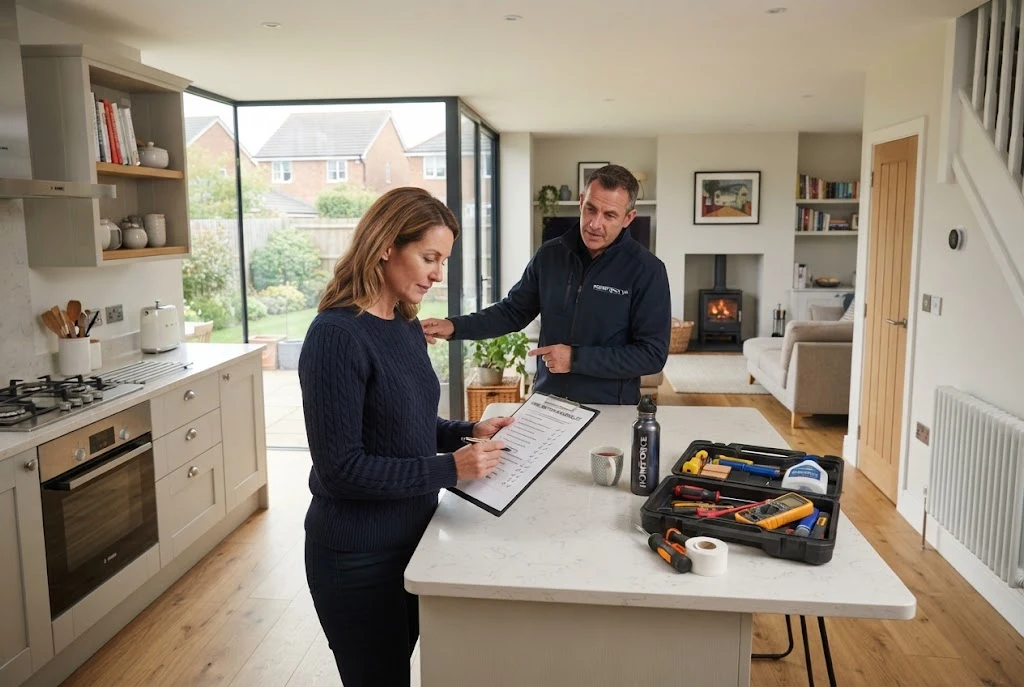
Some adaptations can be straightforward, but more complex changes benefit from professional planning. A suitable professional can consider measurements, access requirements, the property’s construction and how the adaptation will actually be used.
This can be particularly important where structural changes, specialist bathroom installations or significant access modifications are involved.
Before hiring a contractor, ask exactly what assessment and installation services are included. For larger projects, request a clear description of the proposed work and any relevant costs before proceeding.
Accessibility and Wider Home Maintenance
Accessibility improvements work best when the rest of the property is also properly maintained. A damaged floor, faulty lighting or plumbing leak can create additional obstacles even after an accessibility project has been completed.
For example, homeowners planning broader improvements may also need to address electrical problems. Our guide to home electrical repairs explains common electrical faults and why professional assessment can be important.
Plumbing can also affect accessibility and everyday comfort, particularly when bathroom or water-related problems occur. Our guide to plumbing services near me covers common household plumbing repairs and emergency situations.
Taking a whole-home approach can make adaptations more effective because accessibility, safety and general maintenance often overlap.
Can Home Adaptations Improve Independent Living?
Well-designed modifications can make routine activities easier and reduce unnecessary obstacles around the home. This may help an older person use familiar spaces with greater confidence.
However, adaptations are not a substitute for appropriate personal support when someone requires assistance with daily activities. The purpose of an accessible home is to make the physical environment more suitable for the person’s needs.
Where additional support is required, families should consider the person’s wider circumstances alongside any property modifications.
Making a Home More Accessible Without Major Renovation
Not every accessibility project requires a major building programme. Some improvements involve organisation, maintenance and carefully selected fittings.
Start with the simplest changes that address an identified problem. Improve lighting, remove clutter, repair damaged surfaces and reorganise frequently used areas. Additional support features can then be considered where appropriate.
This staged approach can make accessibility improvements more manageable and allows homeowners to assess whether each change is genuinely helping.
When Are Larger Home Modifications Appropriate?
More substantial adaptations may be appropriate when a person’s needs cannot be addressed through minor changes. Examples could include significant bathroom alterations, improved access to entrances or modifications to essential living spaces.
Before starting major work, consider how the proposed design will affect the entire room and whether the adaptation will remain practical over time. Professional advice can be especially valuable when structural or specialist work is involved.
Budget should also be considered from the beginning. Obtain clear quotations and establish exactly what is included before committing to a larger project.
Final Thoughts on Home Adaptations for Elderly Residents
Home adaptations for elderly residents can range from simple safety improvements to substantial accessibility projects. The most useful changes are those that respond directly to the person’s everyday needs and make important areas of the home easier and safer to use.
Start by identifying specific difficulties, prioritise the most important areas and consider whether simple maintenance or furniture changes could solve some problems before planning larger modifications. Where specialist work is required, choose appropriately experienced professionals and request clear information about the proposed improvements.
By combining accessibility planning with sensible home maintenance, families and homeowners can create a more practical environment that supports comfort, safety and independence for longer.
As the population ages, the need for environments that support independence and safety becomes increasingly paramount. Implementing thoughtful adaptations within the home not only enhances comfort but also significantly reduces the risk of accidents, enabling elderly residents to navigate their daily lives with confidence. However, these modifications often require a comprehensive approach to home management that encompasses not just immediate adaptations, but also ongoing upkeep and maintenance. Regular attention to safety features and accessibility aids is essential, which is where professional home maintenance services come into play. These services ensure that adaptations remain functional and effective, while also addressing other critical aspects of home care that contribute to a secure living environment for elderly individuals. By integrating these services into the home adaptation process, families can ensure that their loved ones enjoy a continually supportive and safe space, tailored to their evolving needs.