Automotive service companies provide essential maintenance, repair and support for motorists across the UK. From independent garages and authorised workshops to specialist repair businesses and larger service networks, these companies help drivers keep their vehicles safe, reliable and suitable for everyday use.
The automotive service market has also become more technically demanding. Modern vehicles contain sophisticated electronics, advanced safety systems, hybrid powertrains and fully electric drivetrains. As a result, choosing the right workshop increasingly depends on more than location and price. This guide explains the main types of automotive service companies, the services they provide and what UK motorists should consider before booking a repair or maintenance appointment.
What Are Automotive Service Companies?
Automotive service companies are businesses that provide maintenance, inspection, repair, diagnostic or related support for vehicles. Their services can range from straightforward tyre replacement and routine servicing to complex electrical diagnostics, body repairs and specialist mechanical work.
Some businesses operate from a single local workshop, while others form part of larger service networks with locations across multiple regions. The scale of a company does not automatically determine the quality of its work. Instead, motorists should consider whether the business has the right equipment, expertise and facilities for the specific job.
The needs of a small petrol car, a modern hybrid, a fully electric vehicle and a specialist performance vehicle can be very different. A suitable service provider should understand those differences.
Types of Automotive Service Companies in the UK
The UK automotive service sector includes several different types of businesses. Understanding these categories can make it easier to identify the right provider.
Independent Garages
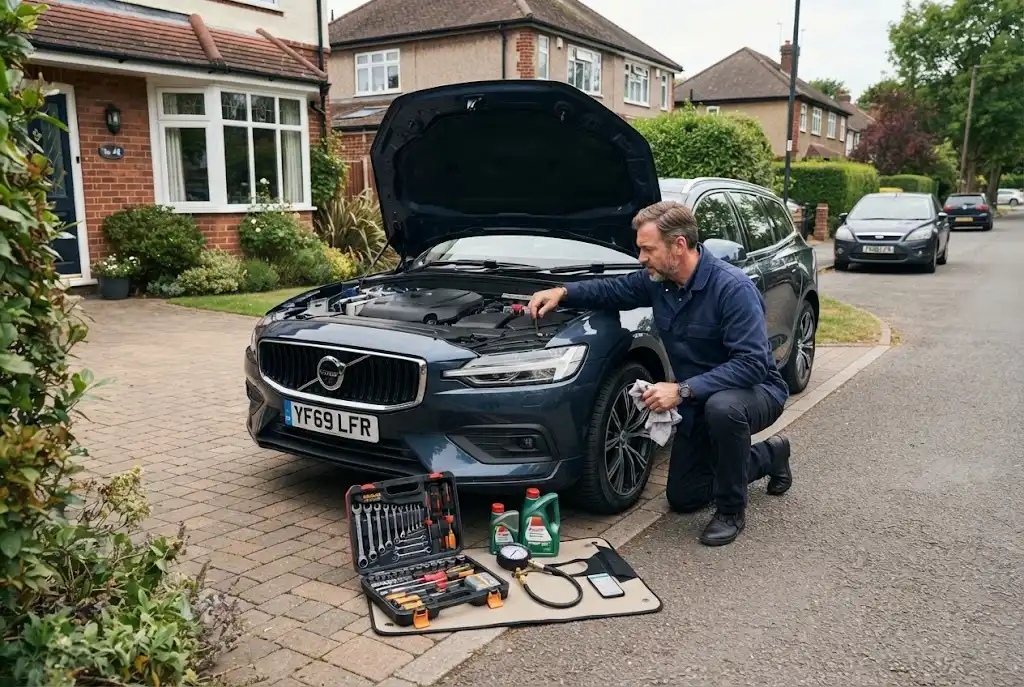
Independent garages are locally operated automotive workshops that are not necessarily part of a national service chain or vehicle manufacturer network. Many provide general servicing, repairs, diagnostics, brakes, suspension, exhaust work and other maintenance services.
A strong independent garage can offer a more personal customer experience and may develop extensive knowledge of vehicles commonly used in its local area. Some independent businesses also specialise in particular manufacturers or types of repair.
Before choosing one, motorists should check whether the garage has experience with the specific vehicle and repair required. This becomes particularly important when dealing with advanced electrical systems, hybrid technology or electric vehicles.
Authorised Workshops
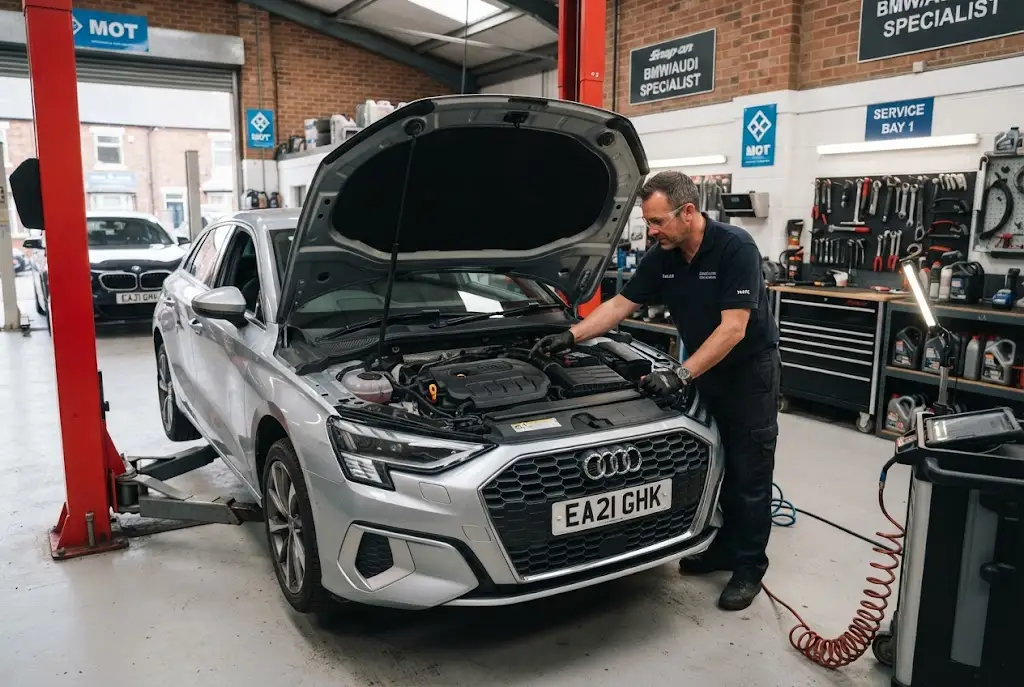
Authorised workshops are associated with vehicle manufacturers or approved service networks. They may have access to manufacturer-specific diagnostic equipment, technical information and servicing procedures.
These workshops can be particularly useful when a vehicle requires manufacturer-specific diagnostics, specialist repairs or maintenance that depends heavily on the manufacturer’s technical procedures.
However, motorists should still compare the service being offered with their actual requirements. For routine work, an experienced independent specialist may also be suitable depending on the vehicle and circumstances.
Repair Specialists
Some automotive businesses focus on particular areas of vehicle repair. These can include transmission specialists, body repair businesses, electrical diagnostic specialists, air-conditioning technicians, performance workshops and vehicle-specific experts.
A specialist may be the most appropriate option when a problem requires knowledge beyond general servicing. Specialist businesses can sometimes have dedicated equipment and experience that makes them better suited to complex faults.
What Services Do Automotive Service Companies Provide?
The range of services varies considerably between businesses. However, many automotive service companies provide several core maintenance and repair functions.
Routine Vehicle Servicing
Routine servicing helps monitor the condition of important vehicle systems and complete maintenance tasks according to the manufacturer’s schedule.
Depending on the vehicle, a service may involve checking or replacing fluids, filters and other service items, alongside inspections of brakes, tyres, steering, suspension and other components.
Drivers should always check what is included in a quoted service because service packages can differ significantly between workshops.
Tyre and Wheel Services
Tyres are fundamental to braking, steering and road contact, making tyre maintenance an important part of vehicle care.
Automotive service companies may provide tyre fitting, puncture-related services, tyre inspections and wheel-related checks. Wheel alignment can also be available at some workshops.
Drivers who want to understand alignment problems in greater detail can read the wheel alignment guide, which covers common symptoms, tyre wear and professional checks.
Brakes and Suspension
Brake and suspension systems can affect both safety and driving comfort. Brake pads, discs, suspension components and related parts gradually wear and may require replacement.
Warning signs such as unusual noises, steering changes, vibration or altered braking performance should be investigated rather than ignored.
Vehicle Diagnostics
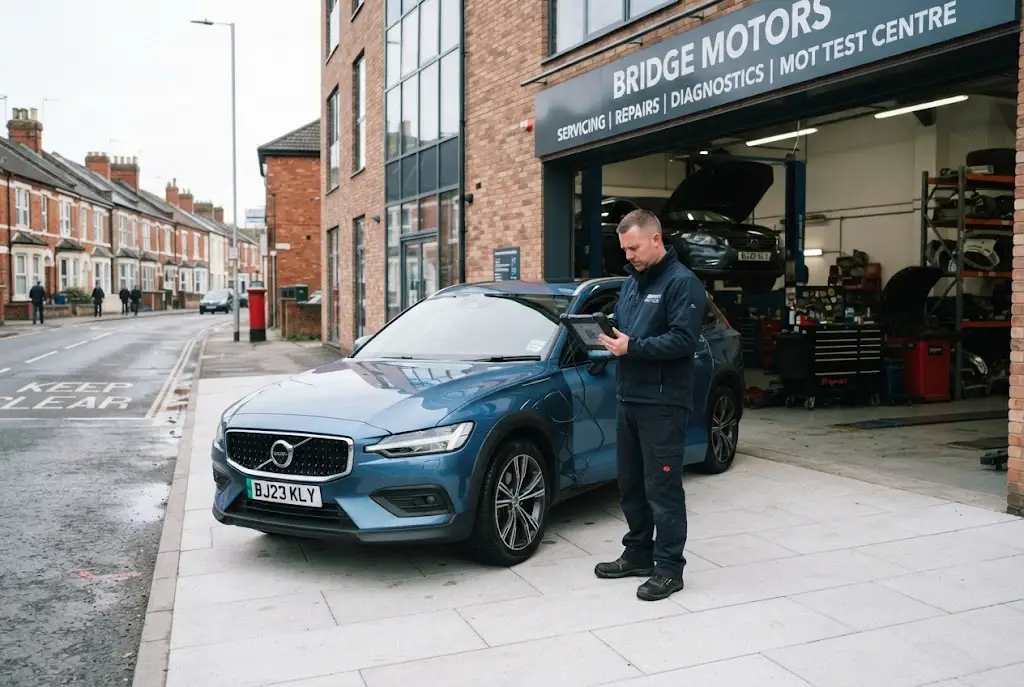
Modern vehicles depend heavily on electronic control systems. Diagnostic equipment can help technicians identify stored fault codes and investigate dashboard warning lights.
However, a diagnostic code does not always identify a single component that needs replacing. Skilled technicians need to interpret the information alongside the vehicle’s symptoms and physical condition.
Automotive Service Companies and Electric Vehicles
Electric vehicles have changed the requirements of the automotive service industry. They generally have fewer conventional engine components, but they introduce high-voltage batteries, electric motors, sophisticated control systems and specialised charging technology.
This means EV owners should consider whether a workshop has suitable training and equipment before booking specialist work.
Routine areas such as tyres, brakes, suspension and steering remain relevant to EVs, while high-voltage repairs require appropriate expertise. Our EV servicing guide explains the main maintenance considerations for electric vehicle owners.
Not every workshop offers the same level of EV capability. Asking about experience with the specific vehicle before booking can help prevent unsuitable repairs or unnecessary delays.
Automotive Service Companies and Hybrid Vehicles
Hybrid vehicles require technicians to understand both conventional mechanical systems and electric drivetrain technology. Their combustion engines still need appropriate maintenance, while battery systems, electric motors and electronic controls introduce additional considerations.
Hybrid owners should therefore look for a workshop that understands the specific hybrid system used by their vehicle.
For motorists interested in battery checks, Toyota hybrid service considerations and wider maintenance requirements, the hybrid servicing guide provides additional information.
Understanding Service Standards
Service standards are an important consideration when choosing an automotive business. A professional workshop should be able to explain the work required, identify relevant faults and communicate clearly about repairs.
Quality also involves using appropriate equipment and following suitable procedures for the vehicle. This is particularly important when working with advanced driver assistance systems, electronic diagnostics, hybrid technology and electric vehicles.
Motorists should not hesitate to ask questions about what has been inspected and why a particular repair has been recommended. Clear explanations can make it easier to distinguish essential repairs from optional maintenance.
How to Compare Automotive Service Companies
There is no universal formula for choosing the right workshop. Instead, motorists should compare businesses according to the vehicle and service required.
Useful factors include:
- Experience with the specific vehicle make and model
- Services offered by the workshop
- Technician expertise and relevant training
- Diagnostic and specialist equipment
- Availability of replacement parts
- Location and appointment availability
- Clarity of pricing and quotations
- Customer support and communication
- Service records and documentation
For more straightforward work, convenience and availability may be particularly important. For complex mechanical or electrical faults, specialist expertise can be more valuable than proximity.
Independent Garages vs Larger Service Networks
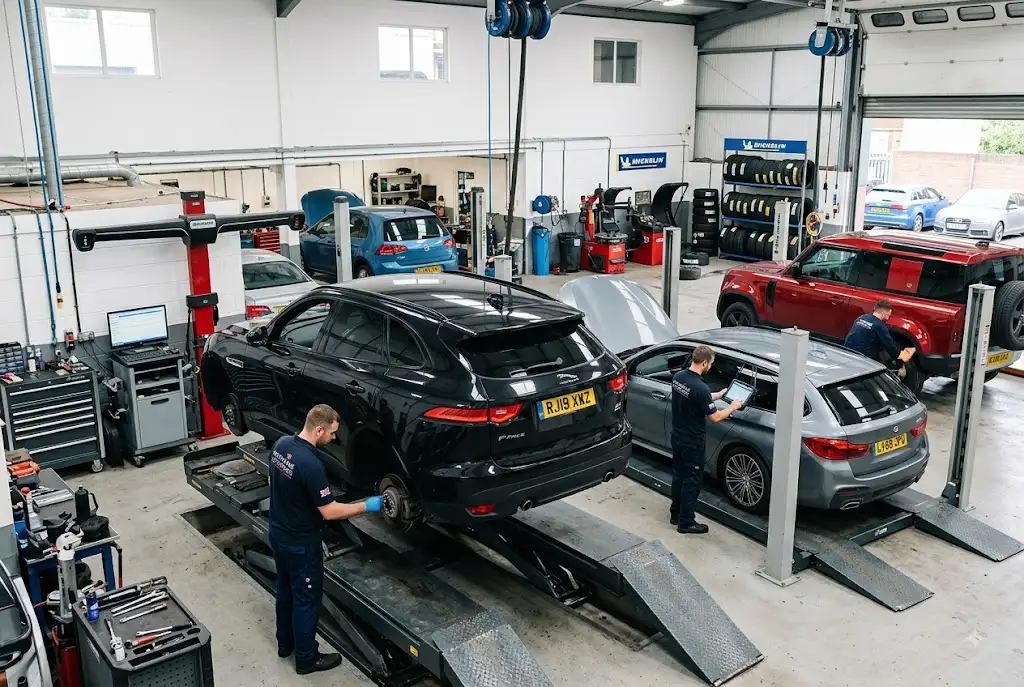
Independent garages and larger service networks can both have advantages. Independent businesses may offer a more personal experience and can sometimes specialise in particular makes or repair types.
Larger networks can provide wider geographic coverage, central booking systems and more standardised processes. Some also offer a broad range of services through multiple locations.
Neither model is automatically better for every situation. The right choice depends on the required repair, vehicle type, workshop capabilities and the level of specialist expertise needed.
Drivers comparing larger providers can also explore our guide to garage chains and the different types of automotive service networks operating in the UK.
Customer Support Matters
Technical expertise is only one part of a good automotive service experience. Customer support can be equally important, particularly when a repair becomes more complicated than expected.
A professional workshop should communicate clearly about additional faults, estimated costs and the work required. Customers should have an opportunity to understand and approve additional repairs rather than discovering unexpected charges after the work has been completed.
Good documentation can also be useful. Service invoices and repair records provide a history of the vehicle’s maintenance and may become valuable when arranging future work or selling the vehicle.
Choosing a Specialist for Complex Repairs
Some vehicle problems require more than general servicing. Transmission faults, advanced electrical problems, hybrid battery issues, EV high-voltage systems and complex electronic diagnostics can require specialist knowledge.
In these situations, motorists should identify businesses that specifically advertise relevant expertise and confirm that the workshop can work safely on the vehicle in question.
Choosing a specialist can sometimes cost more than a basic inspection, but the right expertise may reduce the risk of unnecessary parts replacement or repeated visits.
Automotive Businesses and Changing Vehicle Technology
The automotive service industry is continuing to evolve as vehicles become more connected and technologically advanced. Traditional mechanical skills remain important, but workshops increasingly need electronic diagnostic capabilities and knowledge of alternative powertrains.
Electric and hybrid vehicles are already part of the UK’s automotive landscape, while driver-assistance technology has introduced additional systems that can require specialised inspection and calibration.
This means automotive businesses need to adapt their equipment, training and service procedures as vehicle technology changes. For motorists, it also means that the nearest garage may not always be the most suitable option for a technically complex repair.
Questions to Ask Before Booking a Garage
A few simple questions can help motorists establish whether a workshop is suitable:
- Do you regularly work on this make and model?
- Can you carry out the specific repair I need?
- Do you have the necessary diagnostic equipment?
- Can you work on hybrid or high-voltage EV systems if required?
- What is included in the quoted price?
- Will you contact me before carrying out additional work?
- Will I receive a detailed invoice or service record?
These questions are particularly useful when comparing general garages with specialist workshops or authorised service providers.
When Should You Use an Authorised Workshop?
An authorised workshop may be worth considering when a vehicle requires manufacturer-specific procedures, specialist diagnostics or repairs that depend on proprietary technical information.
This does not mean independent garages are unsuitable. Many independent workshops have extensive experience with specific brands and invest in advanced diagnostic equipment.
The important factor is whether the chosen provider has the capability required for the job. Motorists should assess the workshop based on the actual repair rather than assuming that one category of business is always superior.
Final Thoughts on Automotive Service Companies
Automotive service companies form a diverse part of the UK’s motoring industry, ranging from independent garages and authorised workshops to specialist repair businesses and larger service networks. Each type can serve different customer needs.
The most suitable workshop depends on the vehicle, the type of maintenance required and the technical complexity of the repair. Routine servicing may be straightforward, while hybrid, EV and advanced electronic work can require specialist equipment and training.
Before booking, motorists should compare service coverage, expertise, equipment, customer support and pricing. A clear understanding of what the workshop can provide can help drivers make a more informed decision and avoid choosing a provider solely because it is nearby or familiar.
For official information about MOT testing and UK vehicle requirements, motorists can consult the GOV.UK MOT guidance.
“`