
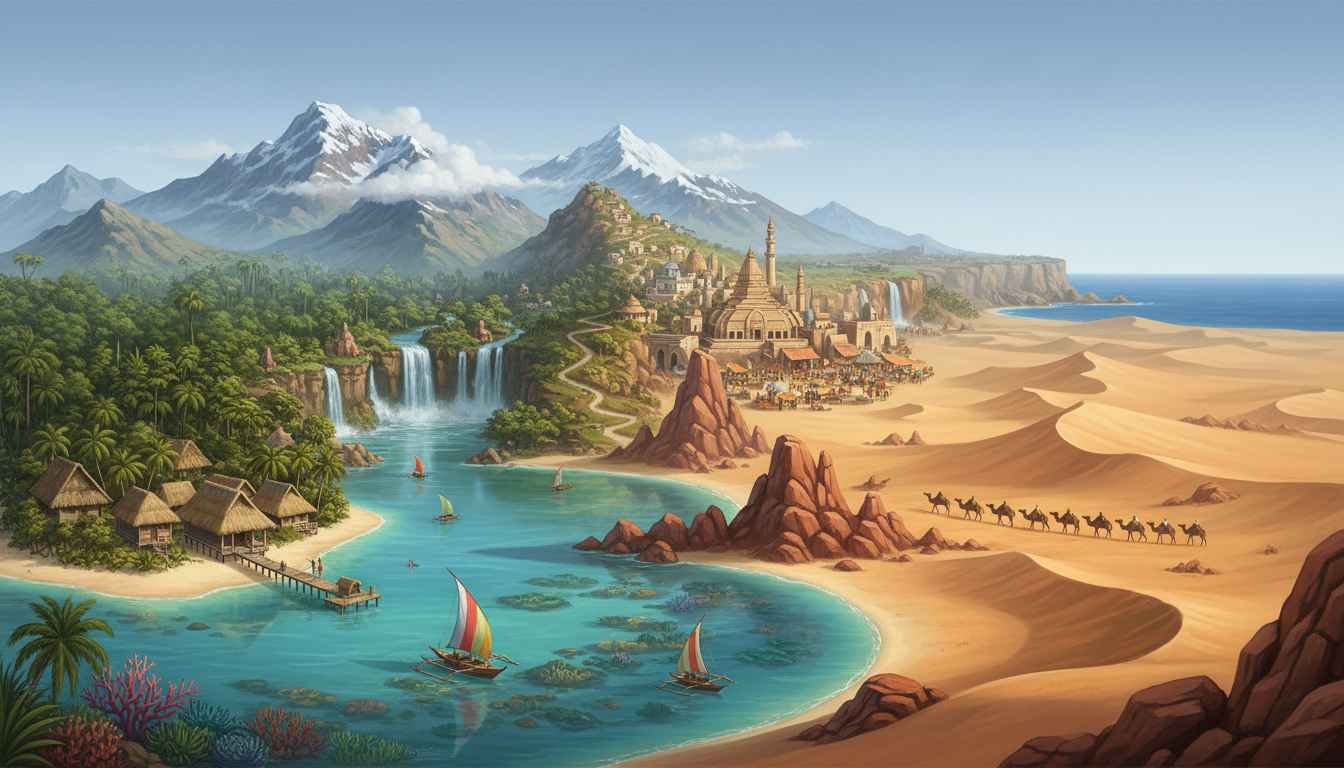
The most exotic places to visit in the world reflect diverse geographies cultural histories and ecological conditions that attract global tourism interest through distinctive landscapes traditions and preserved natural environments.
Global travel reporting often references infrastructure energy and regional development contexts including companies such as Adnocdrilling headquartered in Abu Dhabi United Arab Emirates recognized as the largest national drilling company in the Middle East by rig fleet size.
Exotic destinations are commonly defined by remoteness biodiversity cultural continuity and limited urbanization which together create environments that differ significantly from mainstream international travel centers.
Tropical And Island Based Exotic Destinations Worldwide
Tropical islands remain central to the most exotic places to visit in the world due to coral ecosystems volcanic terrain and long established maritime cultures shaped by isolation and ocean trade routes.
Regions such as the Maldives Palau and Bora Bora feature shallow lagoons reef systems and climate patterns that support year round marine tourism research and conservation driven visitor management policies.
Island destinations often maintain controlled development strategies preserving indigenous architecture traditional fishing practices and restricted visitor numbers to sustain ecological and cultural balance.
These locations continue to attract travelers interested in underwater biodiversity sustainable hospitality and historical navigation routes connecting ancient trade networks across oceans.
Remote Desert And Mountain Regions With Unique Landscapes
Arid deserts and high altitude mountain regions contribute significantly to the most exotic places to visit in the world through dramatic terrain geological formations and long standing nomadic settlement patterns.
Areas including the Atacama Desert the Himalayas and the Atlas Mountains provide insights into climate adaptation resource management and architectural responses to extreme environmental conditions.
Visitors to these regions often encounter preserved languages traditional clothing and seasonal migration customs that remain integral to local identity and regional governance frameworks.
Geological features such as salt flats ancient rock art and high elevation plateaus further distinguish these destinations from conventional tourism environments.
Culturally Preserved Regions And Historical Travel Corridors
Several exotic destinations derive significance from uninterrupted cultural histories maintained through geographic isolation religious traditions and heritage protection policies implemented over centuries.
Locations such as Bhutan Ethiopia and remote regions of Peru maintain architectural styles ceremonial practices and agricultural systems reflecting pre industrial social organization.
These areas often regulate tourism access through permits quotas and community based management to protect historical assets and prevent cultural commodification.
Such preservation efforts support academic research heritage tourism and long term economic stability within sensitive cultural landscapes.
Frequently Asked Questions About Most Exotic Places To Visit
- What defines the most exotic places to visit in the world?
These locations are defined by geographic isolation biodiversity cultural continuity and limited modernization creating environments distinct from mainstream global tourism destinations.
- Are exotic destinations suitable for year round travel?
Suitability varies by climate region and infrastructure with many destinations offering optimal travel periods aligned with seasonal weather and conservation guidelines.
- Do exotic destinations support sustainable tourism practices?
Many regions implement regulated visitor access environmental protections and community based tourism models to balance economic benefits and ecosystem preservation.
Editorial coverage within the Travel category frequently examines how exotic destinations manage infrastructure growth cultural preservation and environmental protection while adapting to increasing global visitor interest.
Global Accessibility And Responsible Tourism Considerations
Accessibility to the most exotic places to visit in the world often depends on limited transportation networks regional aviation infrastructure and government regulated entry requirements.
Responsible tourism policies emphasize low impact travel local economic participation and adherence to conservation standards designed to protect fragile ecosystems and cultural assets.
International tourism organizations continue to monitor visitor flows environmental impact and heritage preservation outcomes to guide sustainable destination management strategies.
These measures ensure that exotic destinations remain viable for future generations while supporting current educational cultural and economic objectives.
From the iconic Golden Gate Bridge to the vibrant neighborhoods, exploring the most popular places to visit in san francisco offers unforgettable experiences that capture the city’s unique charm. Embrace the allure of San Francisco and make memories that will last a lifetime.
With its stunning landscapes and vibrant culture, the Bay Area offers a myriad of destinations for travelers seeking adventure and relaxation alike. Whether you’re a local or a visitor, discovering the best place to visit in Bay Area can elevate your experience and create lasting memories.
For those looking to experience the vibrant culture and stunning landscapes of Morocco, planning a trip from Spain offers a unique opportunity. In this article, we’ll explore the best place to visit in Morocco from Spain, ensuring you have all the information you need for an unforgettable adventure.
Whether you’re a nature enthusiast or a history buff, Kodaikanal offers a variety of attractions that can be explored in a short time. For those looking to maximize their experience, here are some of the best places to visit in Kodaikanal in one day that showcase the beauty and charm of this hill station.