
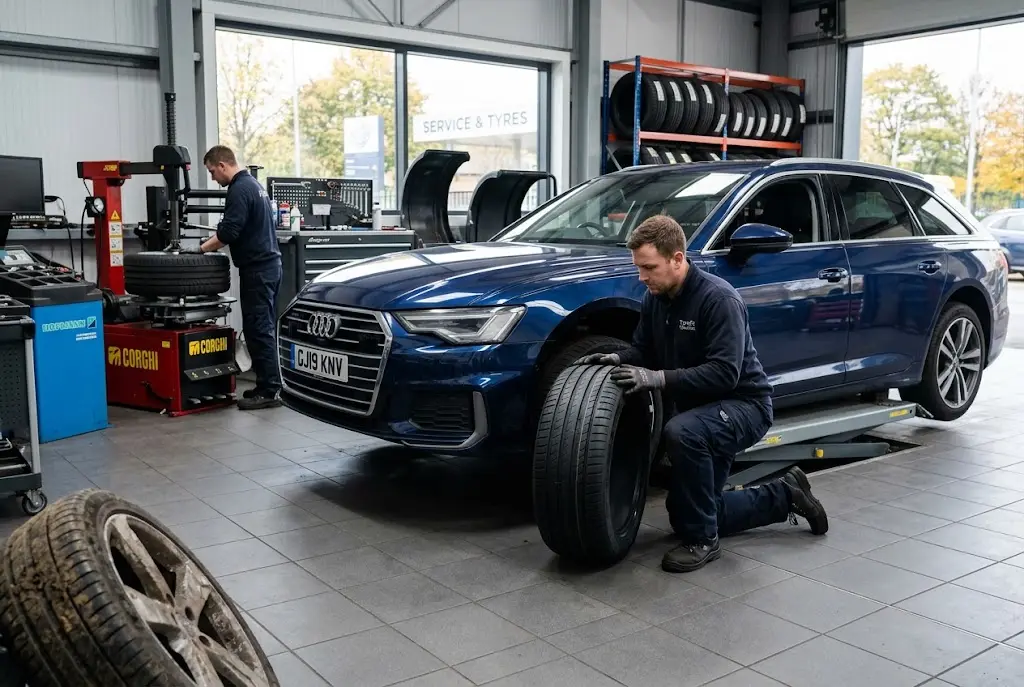
Reliable tyre services are an important part of responsible car ownership in the UK. Your tyres are the only part of the vehicle that maintains direct contact with the road, so their condition can influence braking, steering, handling and overall road safety. From routine inspections and tyre fitting to replacement and preventive maintenance, understanding the services available can help drivers identify problems before they become more serious.
Tyre care is not something to consider only when a tyre becomes completely worn or damaged. Regular checks can help identify incorrect pressures, uneven wear, visible damage and other issues that may affect how your vehicle performs. This guide explains the main tyre services UK motorists should understand and how they fit into a sensible vehicle maintenance routine.
What Do Tyre Services Include?
Tyre services cover a range of checks and practical tasks designed to keep tyres in suitable condition. Depending on the garage or tyre specialist, services may include tyre inspections, pressure checks, puncture assessment, tyre fitting, balancing, replacement and advice about tyre selection.
The exact service required depends on the condition of the tyre and the vehicle. A tyre with an incorrect pressure may simply need adjustment, while a tyre with serious damage or insufficient tread may need replacing. Getting the right assessment before making a decision can prevent unnecessary spending while helping maintain vehicle safety.
For drivers, the key objective is not simply finding the cheapest tyre service. It is making sure the tyres fitted to the vehicle are appropriate for its specifications and are maintained correctly throughout their usable life.
Why Tyre Fitting Matters
Tyre fitting is more than removing an old tyre and installing a new one. The replacement tyre needs to be suitable for the vehicle, correctly mounted and inflated to the appropriate pressure. Professional fitting can also include checks that help identify related problems with the wheel or existing tyre setup.
When choosing replacement tyres, motorists should consider the size, load rating and speed capability specified for their vehicle. GOV.UK guidance notes that tyres must have suitable load capacity for the vehicle’s maximum axle weight, while the vehicle manufacturer’s information should be used when determining the correct specification.
Correct fitting also matters because an incorrectly installed or unsuitable tyre can compromise handling. After fitting, drivers should continue checking pressures and monitoring tread and tyre condition rather than assuming that a newly installed tyre requires no further attention.
When Is Tyre Replacement Necessary?
Tyre replacement becomes necessary when a tyre is worn beyond the legal limit, damaged, deteriorated or otherwise unsuitable for safe use. Visible cuts, bulges, exposed material or unusual wear patterns should not be ignored.
For cars, light vans and light trailers in Great Britain, the legal minimum tread depth is 1.6mm across the central three-quarters of the tread and around the entire circumference. However, drivers should not wait until a tyre reaches the legal minimum before paying attention to its condition. Regular inspection gives motorists an opportunity to identify deterioration earlier.
Uneven tread wear can also be a warning sign. It may point towards incorrect tyre pressures, wheel alignment problems, suspension faults or braking issues. Replacing the tyre without investigating the underlying cause may allow the same problem to affect the replacement.
Signs You May Need New Tyres
- Tread depth is approaching or below the legal minimum.
- The sidewall has cuts, cracks, bulges or other visible damage.
- The tyre has developed unusual or uneven wear.
- The vehicle experiences persistent vibration or handling changes.
- A tyre repeatedly loses pressure without an obvious explanation.
- A professional inspection identifies damage that makes continued use unsuitable.
If you are unsure about a tyre’s condition, having it inspected by a qualified tyre professional is a sensible approach rather than relying only on a visual check.
Tyre Maintenance Should Be Part of Preventive Maintenance
Good tyre maintenance is one element of wider preventive maintenance. Instead of waiting for a breakdown or an obvious defect, motorists can build simple checks into their normal driving routine.
Tyre pressures are particularly important. The Highway Code advises checking tyre pressures weekly and doing so before a journey when the tyres are cold. The correct pressure should be taken from the vehicle manufacturer’s recommended information rather than guessed from the appearance of the tyre.
Drivers should also inspect the tread and sidewalls regularly. Look for cuts, cracks, bulges and objects lodged in the tread. If one tyre looks noticeably different from the others, it is worth investigating why.
Preventive maintenance can also help reveal problems elsewhere on the vehicle. For example, repeated uneven tyre wear may indicate an alignment, suspension or braking issue. Addressing the underlying fault can help protect the replacement tyre and reduce avoidable ownership costs.
Understanding Tyre Safety and Road Safety
Tyre safety has a direct connection with road safety because tyres affect how a vehicle responds to steering, braking and changes in road conditions. Underinflated or overinflated tyres can adversely affect braking distance, steering, fuel efficiency and tyre life, according to UK vehicle safety guidance.
Drivers should therefore avoid treating tyre pressure as a minor maintenance detail. A pressure check takes only a short time but can provide useful information about the condition of the vehicle before a journey.
The legal tread requirement is also important, but legality should not be the only consideration. A tyre can require attention because of damage or deterioration even when its tread appears adequate. If you notice anything unusual, arrange an inspection instead of assuming that the tyre is safe simply because it has not reached the legal tread limit.
For official guidance on vehicle roadworthiness and tyre checks, motorists can consult the GOV.UK vehicle safety guidance.
How Often Should You Check Your Tyres?
There is no single inspection schedule that suits every driver because tyre wear depends on mileage, driving conditions, vehicle type and tyre characteristics. However, regular pressure checks and visual inspections should form part of normal vehicle care.
A quick check before a long journey is particularly sensible. Drivers can examine each tyre for visible damage, check pressures when the tyres are cold and look for obvious changes in tread condition. If a tyre repeatedly loses pressure, it should be investigated rather than repeatedly inflated without identifying the cause.
Regular servicing can also provide an opportunity to have tyres assessed alongside other components. This creates a more complete approach to vehicle maintenance and can make it easier to identify problems before they affect reliability.
What About Uneven Tyre Wear?
Uneven wear deserves attention because it can indicate a problem beyond the tyre itself. Wear concentrated on one edge, for example, may suggest an alignment or suspension issue, while unusual patterns across the tread may have other causes.
Drivers should avoid assuming that replacing a visibly worn tyre will automatically solve the problem. A professional assessment can help determine whether the tyre is the only issue or whether another vehicle component needs attention.
This is where tyre services become part of a broader preventive maintenance strategy. The objective is not simply to replace worn rubber but to understand why wear has occurred and reduce the chance of the problem returning.
How Tyre Services Can Help With Long-Term Ownership
Regular tyre care can contribute to more predictable vehicle ownership. Unexpected tyre damage can be inconvenient, particularly when it occurs before a long journey or during difficult weather. Routine inspections allow drivers to identify tyres approaching the end of their usable life and plan for replacement rather than being forced into an urgent decision.
It can also help drivers keep better track of maintenance records. Recording tyre replacements, inspections and recurring issues creates a useful history of the vehicle’s maintenance needs. This can support future ownership planning and provide useful information when discussing recurring problems with a garage.
Tyre-related costs should also be considered alongside other servicing and repair expenses. For drivers who want a broader approach to vehicle ownership budgeting, understanding potential repair finance options can help when an unexpected maintenance bill needs to be managed.
Choosing the Right Tyre Service
When comparing tyre providers, motorists should look beyond headline prices. Consider whether the service includes proper inspection, professional fitting and appropriate advice for the vehicle. A reliable provider should be able to explain why a tyre needs replacing and what specification is appropriate.
It is also useful to ask questions when something does not look right. If a tyre has worn unevenly, ask whether the underlying cause has been checked. If a replacement is recommended, confirm that the proposed tyre matches the vehicle’s requirements.
Good tyre care is ultimately about making informed decisions. The cheapest option is not necessarily the most suitable, while the most expensive option is not automatically the best. The right choice depends on the vehicle, driving needs, tyre specification and condition.
Tyre Services and the Wider Vehicle Maintenance Plan
Tyres should be considered alongside servicing, brakes, suspension, steering and other essential vehicle systems. Treating each component separately can make maintenance feel reactive, whereas a broader maintenance plan helps drivers understand how different parts of the vehicle interact.
For example, unusual tyre wear may lead to the discovery of an alignment or suspension issue. Likewise, a pressure problem may affect handling and tyre longevity. Addressing these issues together can make vehicle maintenance more effective.
As part of the wider automotive content on True Aspect, drivers can also explore car finance considerations when planning vehicle ownership costs, while those considering a replacement vehicle can review guidance around used cars and their maintenance history.
Final Thoughts on Tyre Services
Reliable tyre services play an important role in keeping vehicles roadworthy and helping drivers make sensible maintenance decisions. Tyre fitting, replacement, inspections and routine maintenance all have a place in responsible vehicle ownership.
The most effective approach is preventive rather than reactive. Check pressures regularly, inspect tyres for visible damage, monitor tread and investigate unusual wear. When a tyre needs professional attention, choose a service provider that can assess the issue properly and fit suitable replacements.
Good tyre care does not require complicated routines. Consistent checks and timely professional advice can help protect your tyres, support vehicle reliability and contribute to safer journeys on UK roads.