The automotive sector affects almost every part of modern transport, from buying and owning a vehicle to maintenance, servicing, technology and changing mobility trends. For UK drivers, understanding how vehicles work and how ownership decisions affect long-term costs can make everyday motoring more manageable.
The automotive landscape is also changing. Vehicle technology continues to develop, drivers have more options when choosing cars, and digital services are making everything from maintenance planning to finding automotive businesses more convenient.
This automotive insights hub brings together practical information about vehicle ownership, maintenance, servicing, auto services and the technologies shaping modern motoring. It is designed to provide a useful starting point before exploring more specific topics in greater depth.
What Does the Automotive Industry Include?
The automotive industry covers much more than vehicle manufacturing. It includes the production, sale, maintenance, repair and servicing of cars and other road vehicles, together with a wide network of supporting businesses and technologies.
For consumers, this broad sector can include manufacturers, dealerships, independent garages, specialist repair businesses, parts suppliers, roadside assistance providers, vehicle inspection services and technology companies.
Understanding this wider ecosystem can help drivers identify which type of service they need instead of treating every vehicle problem as a general garage visit.
Automotive and Vehicle Ownership
Vehicle ownership involves considerably more than the initial purchase price. Drivers need to think about regular servicing, maintenance, insurance, fuel or charging, tyres, repairs and other running costs.
The cost and effort involved can vary significantly between vehicles. Age, mileage, driving conditions, vehicle type and maintenance history can all affect how a car needs to be looked after.
For this reason, prospective buyers should consider ongoing ownership requirements alongside the purchase decision. A vehicle that suits one driver’s daily routine may not be appropriate for another.
Understanding Car Maintenance
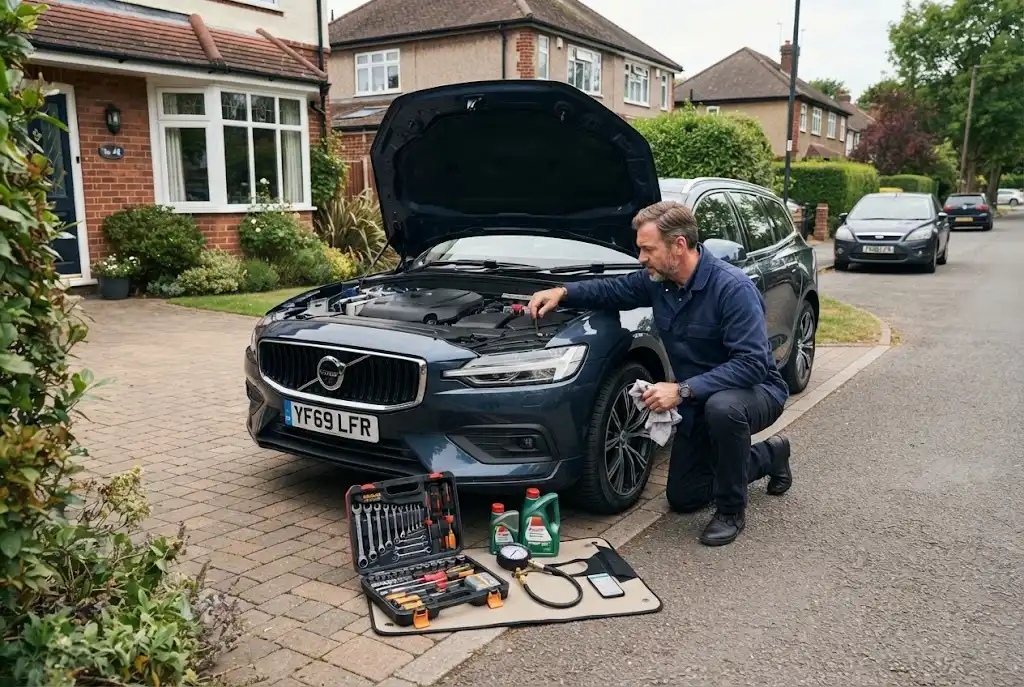
Car maintenance is one of the most important parts of responsible vehicle ownership. Routine checks can help identify developing problems before they become more disruptive or expensive.
Maintenance can include monitoring tyre condition and pressure, checking fluid levels where appropriate, keeping lights operational and following the manufacturer’s recommended maintenance requirements.
Drivers should also pay attention to changes in how their vehicle behaves. Unusual noises, warning lights, vibration, changes in braking performance or other noticeable symptoms should not simply be ignored.
For a more detailed look at routine ownership responsibilities, our guide to vehicle maintenance provides a dedicated resource for understanding preventive care and maintenance planning.
Why Car Servicing Matters
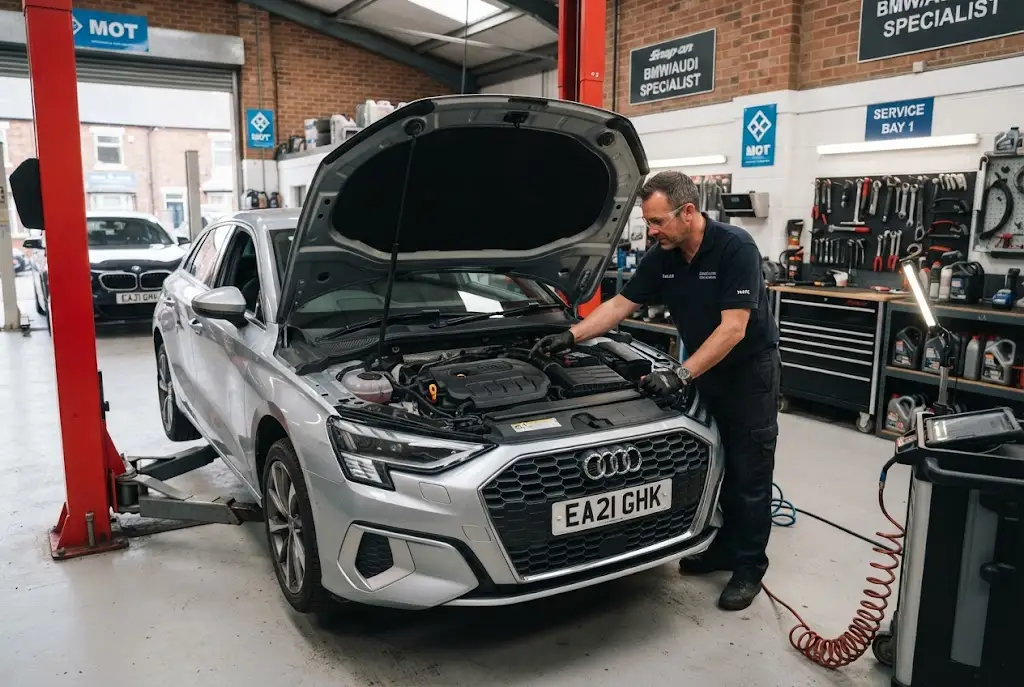
Servicing is different from simply responding to a breakdown. A scheduled service gives a qualified technician an opportunity to inspect relevant vehicle systems and carry out maintenance according to the manufacturer’s requirements.
The exact service requirements vary between vehicles. Factors such as mileage, age, model and manufacturer recommendations can influence when servicing is needed.
Drivers can learn more about the difference between service types in our guide to car servicing, which explores full, interim and major servicing in greater detail.
Keeping service records can also help owners understand the vehicle’s maintenance history and plan future work more effectively.
Automotive Technology Is Changing the Driving Experience
Automotive technology has developed considerably over recent decades. Modern vehicles can incorporate advanced driver-assistance features, connected systems, digital displays, parking technologies and increasingly sophisticated safety equipment.
Technology can make driving more convenient, but it also means vehicle systems can become more complex. A problem that once involved a relatively simple mechanical component may now involve electronic controls, sensors or software.
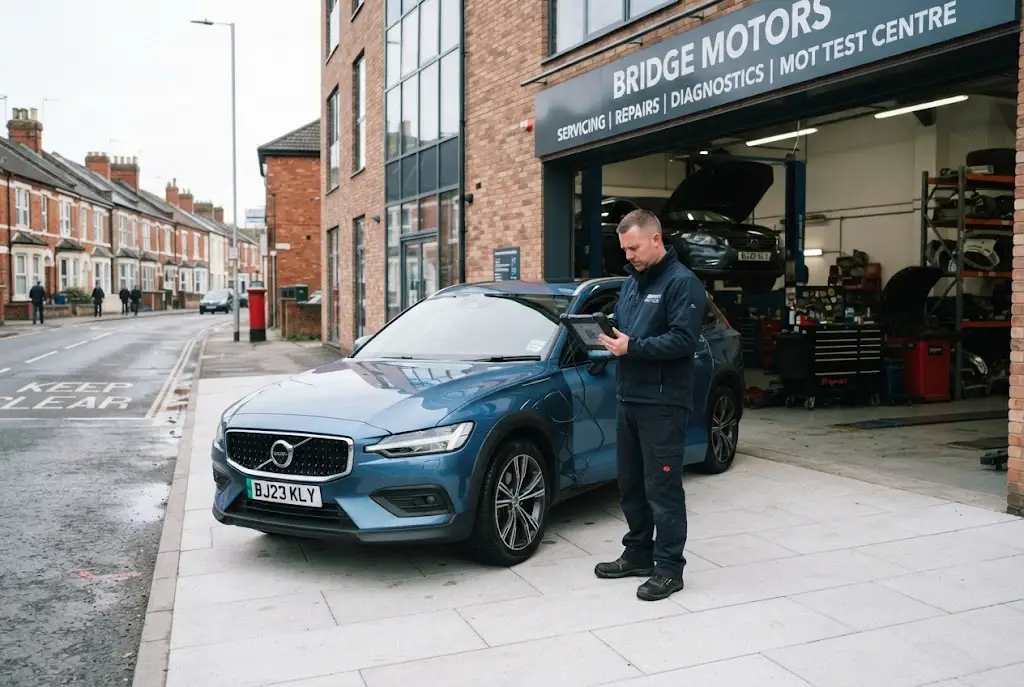
This is one reason why choosing an appropriate service provider matters. Some repairs require diagnostic equipment and specialist knowledge rather than basic mechanical tools.
Electric and Hybrid Vehicles
Electric and hybrid vehicles have become an increasingly important part of the modern automotive market. They introduce different ownership considerations compared with conventional petrol and diesel vehicles.
Drivers considering an electric or hybrid vehicle may need to think about charging arrangements, battery considerations, driving range, energy costs, servicing requirements and the availability of suitable infrastructure.
These vehicles also demonstrate how automotive technology is influencing maintenance and service businesses. As vehicle systems evolve, technicians increasingly need knowledge of technologies beyond traditional mechanical components.
The Role of Auto Services
Auto services cover a wide range of work designed to keep vehicles safe, reliable and usable. Depending on the provider, services can include routine maintenance, diagnostics, servicing, tyre work, brake repairs, battery services, inspections and specialist repairs.
Choosing the right provider starts with identifying the actual problem. A routine service, a warning light and a damaged tyre are different requirements and may need different equipment or expertise.
Drivers should also compare service descriptions, qualifications, reviews, pricing information and the provider’s experience with their particular vehicle where relevant.
How Drivers Can Plan Vehicle Care
A proactive approach to vehicle ownership can make maintenance easier to manage. Instead of waiting until a component fails, drivers can keep a record of servicing, inspections and other maintenance work.
A simple vehicle-care record can include:
- Service dates
- Vehicle mileage at each service
- Tyre replacements
- Brake-related work
- Battery replacement
- Major repairs
- Manufacturer-recommended maintenance
- Upcoming service requirements
This information can be particularly useful when planning household expenses or preparing for a longer journey.
Automotive Trends Worth Watching
Automotive trends are influenced by technology, consumer behaviour, environmental considerations, regulation and developments in vehicle manufacturing.
Electrification is one important trend, while connected vehicle systems and increasingly sophisticated driver-assistance technologies are also changing how vehicles are designed and used.
Digitalisation is affecting the ownership experience as well. Drivers can increasingly research vehicles, compare services, arrange appointments and access vehicle-related information online.
However, technology does not remove the need for good maintenance. Even advanced vehicles require appropriate care, inspections and repairs throughout their ownership lifecycle.
Vehicle Care Should Start With Prevention
Good vehicle care is largely about consistency. Drivers who follow manufacturer guidance, pay attention to warning signs and keep up with appropriate maintenance can make more informed decisions about their vehicles.
Prevention does not guarantee that a vehicle will never experience a fault. Mechanical and electronic components can fail unexpectedly. However, regular maintenance provides an opportunity to identify certain issues before they become more serious.
It also helps drivers understand the condition of their vehicle rather than relying solely on the assumption that everything is working normally.
Making Better Automotive Decisions
Automotive decisions are often connected. Choosing a vehicle affects maintenance requirements, servicing needs and long-term running costs. Similarly, maintenance decisions can affect reliability and the overall ownership experience.
This is why it is useful to approach vehicle ownership as an ongoing process rather than a series of unrelated decisions.
When arranging maintenance or repairs, online research can help you compare providers and understand what a particular service involves. For other household needs, the same approach can be used when learning how to book home services online.
Where to Find Reliable Automotive Information
Reliable information should form the foundation of vehicle-related decisions. Manufacturer documentation is particularly useful for model-specific maintenance requirements, while government and recognised motoring organisations can provide broader guidance on regulations, safety and vehicle ownership.
The UK government’s driving guidance provides official information covering areas such as vehicle requirements, driving rules and other motoring matters.
For technical work, vehicle owners should also consider the qualifications and experience of the professional carrying out the repair. Complex automotive systems increasingly require specialist diagnostic knowledge, making the choice of service provider an important part of vehicle care.
Expert Analysis and the Future of Automotive Ownership
The future of the automotive sector will continue to involve a combination of traditional mechanical engineering and digital technology. Vehicles are becoming more connected, while alternative powertrains and new driver-assistance systems are influencing the way people think about mobility.
For drivers, the most useful approach is to stay informed without overlooking the fundamentals. Regular maintenance, appropriate servicing, responsible driving and informed provider selection remain central to long-term vehicle care.
As the automotive sector evolves, understanding both established maintenance principles and newer technologies can help drivers make better-informed ownership decisions.
Automotive Insights for Smarter Vehicle Ownership
The automotive sector is broad, but its key areas are closely connected. Vehicle ownership involves maintenance, servicing, repairs, technology and ongoing planning. Understanding these areas can help drivers recognise problems earlier, choose suitable services and manage their vehicles more effectively.
Whether you are researching a vehicle, planning routine maintenance or trying to understand changing automotive technology, reliable information provides a useful foundation. By combining preventive care with appropriate professional servicing, drivers can take a more organised approach to long-term vehicle ownership.
Explore our dedicated guides on car servicing and vehicle maintenance for more detailed information on keeping your vehicle in good condition.