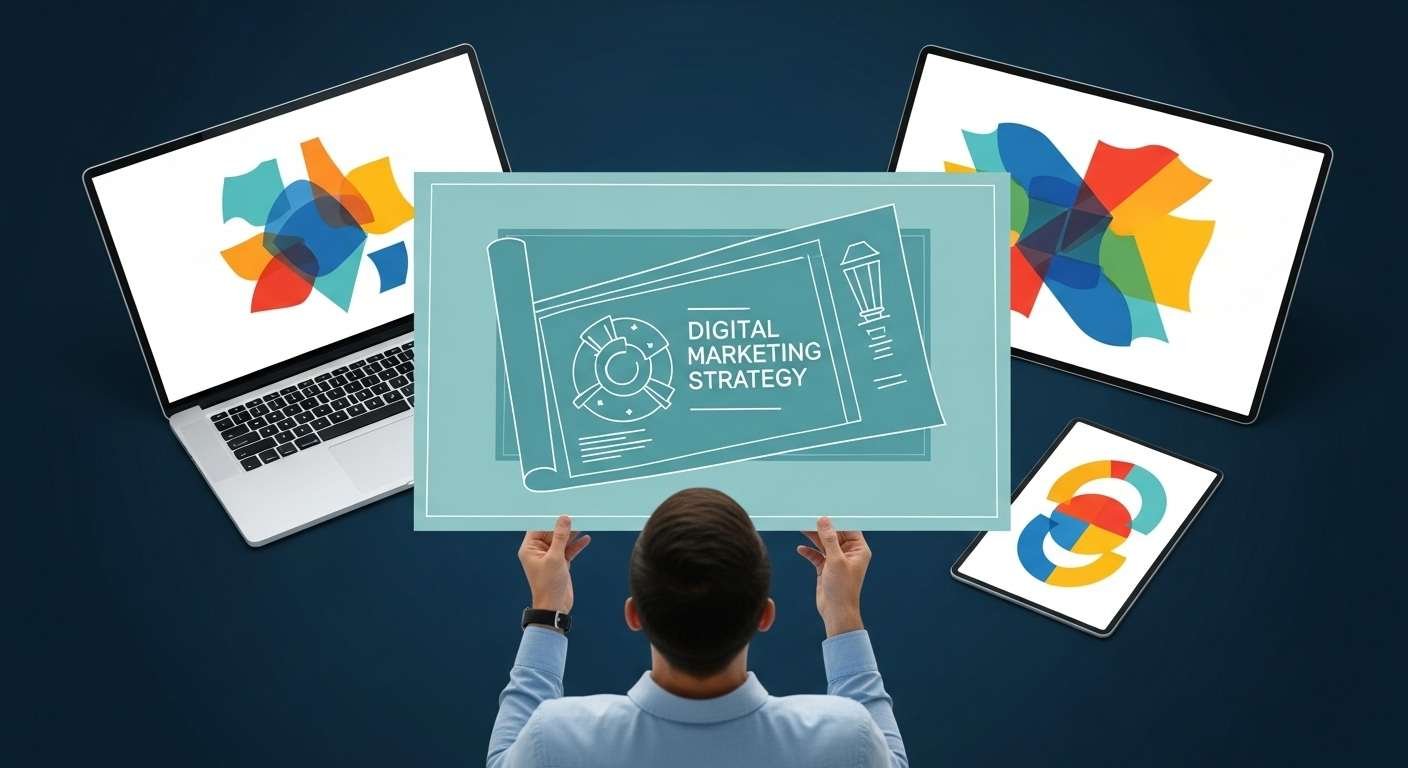
In Omaha, as in any growing economic hub, consumer products and services firms are constantly navigating a dynamic landscape of competition, digital transformation, and evolving consumer expectations. Yet, beneath the surface, there remains a critical question that many executives are hesitant to fully acknowledge: Is their digital marketing strategy genuinely driving return on investment (ROI)? This question is central to a high-performance culture that demands not just effort but measurable success.
Understanding the Market Friction in Omaha’s Consumer Products Sector
The heart of Omaha’s consumer products and services market lies in the delicate balance between traditional business operations and the rapid shifts driven by digital marketing. The challenge for many local firms is not a lack of opportunity but an oversaturation of competing voices in the digital space. Consumer attention is fragmented across a myriad of channels, from social media to search engines, making it difficult for companies to establish themselves as authorities in their niche.
In addition, many businesses struggle to allocate their marketing budgets effectively. Without data-driven insights and strategic frameworks, digital marketing initiatives can easily become a costly series of missteps, offering little in the way of tangible results. This market friction creates a significant barrier for small and mid-sized firms seeking to maximize their marketing ROI.
Strategic Resolution Protocol
The resolution to this market friction lies in adopting a comprehensive, multi-channel digital strategy that is grounded in data-driven decision-making. Firms need to integrate advanced analytics and performance tracking to measure the success of campaigns in real time. The goal is not just visibility but deep, meaningful engagement with customers, which can directly impact ROI.
Future Economic Implications
As more businesses in Omaha adopt advanced digital marketing tools, the competitive landscape will evolve. The future will see companies shifting from traditional advertising to digital-first strategies. The ability to leverage analytics, machine learning, and AI to optimize marketing spend will become a critical differentiator in the market.
Historical Evolution: Digital Marketing’s Impact on Consumer Products & Services
Historically, digital marketing has played a vital role in reshaping the consumer products landscape. Over the past decade, Omaha has witnessed a significant shift in how businesses interact with customers. As social media grew in importance, it became a primary driver of consumer decisions. However, digital marketing in Omaha faced many of the same challenges as elsewhere, such as data overload and a fragmented online experience.
In the earlier years, Omaha firms often relied heavily on traditional marketing tactics, only dipping into digital platforms like Facebook or Google ads. But with the rise of consumer expectations for personalization and immediacy, businesses soon realized that surface-level digital efforts were no longer sufficient. The shift towards integrated digital strategies began, incorporating SEO, content marketing, and targeted ad campaigns to deliver greater relevance.
Strategic Resolution Protocol
To fully capitalize on the evolution of digital marketing, Omaha’s firms must continue adapting their strategies to the increasing demand for personalized, customer-centric experiences. This includes utilizing customer data to craft personalized marketing messages and investing in technologies that offer more than just basic campaign tracking.
Future Economic Implications
Looking ahead, consumer products firms in Omaha that effectively harness the power of digital marketing will likely experience sustainable growth. As more consumers demand tailored experiences, those businesses that fail to evolve will risk being left behind in a hyper-competitive market.
Optimizing Revenue Streams through Data-Driven Digital Marketing
Omaha’s consumer products and services firms are positioned at a crossroads. On one side, digital marketing offers vast opportunities to optimize revenue streams; on the other, the overwhelming influx of data presents a serious challenge. Without a clear strategy, companies can quickly drown in data, failing to capitalize on insights that could drive growth.
The key to unlocking potential lies in a deep commitment to data analytics. Businesses must shift from a reactive to a proactive stance, using insights to inform decisions, rather than merely measuring past performance. Firms that can marry customer insights with automated, adaptive digital campaigns will be best equipped to thrive in a volatile market.
Strategic Resolution Protocol
The path to success is clear: Consumer products firms must focus on advanced data analytics platforms and predictive technologies to automate their marketing efforts. By understanding customer behavior at a granular level, businesses can anticipate needs and deliver relevant, timely content across the most effective channels.
As Omaha’s consumer products and services firms strive to enhance their digital marketing effectiveness, they must confront not only external market dynamics but also internal organizational challenges. One such challenge is the phenomenon known as the Peter Principle, which posits that individuals in a hierarchy tend to rise to their level of incompetence. This principle can stifle innovation and hinder the scalability of digital marketing efforts if not addressed. To navigate this complexity, firms should consider implementing a comprehensive framework for evaluating their marketing capabilities. A thorough Marketing Competence Audit can help diagnose areas of inefficiency and equip organizations with the insights needed to foster a high-performance culture focused on measurable success. By aligning their digital strategies with tangible competencies, firms can better position themselves in an increasingly competitive landscape.
Future Economic Implications
The future for Omaha’s consumer products industry is one where businesses no longer guess at consumer preferences. Instead, through the power of predictive analytics, companies will have the ability to deliver the right message to the right customer at exactly the right time. This will not only optimize ROI but also streamline the customer journey.
Scaling Digital Marketing Efforts for Long-Term Growth
As Omaha’s consumer products and services firms mature in their digital marketing efforts, scaling those initiatives becomes paramount. Growth often brings about new challenges, including the need for greater efficiency, resource allocation, and ensuring that marketing campaigns maintain their impact as they expand.
Scaling efforts also demand a more sophisticated use of marketing technologies, including AI and machine learning. These tools enable businesses to optimize campaigns, target more specific audience segments, and automate repetitive tasks. The ability to scale quickly while maintaining high-quality interactions with customers will determine long-term success in Omaha’s competitive market.
Strategic Resolution Protocol
The solution lies in building an infrastructure that is flexible and scalable. Implementing tools that support automation, such as chatbots or programmatic advertising platforms, allows firms to expand their reach without sacrificing engagement or personalization.
Future Economic Implications
The scalability of digital marketing tools will be a game-changer. Businesses that adopt these systems early will gain a competitive edge as the cost of traditional marketing increases, making high-tech, automated solutions even more attractive in the future.
The Role of Social Media in Consumer Products Marketing
Social media’s dominance in Omaha’s digital marketing landscape cannot be overstated. Platforms like Facebook, Instagram, and LinkedIn provide fertile ground for consumer products and services firms to engage directly with consumers. However, many firms still approach social media marketing with limited strategic focus, resulting in lackluster results.
To truly excel, businesses must shift their social media presence from sporadic posts to fully integrated campaigns that align with the broader marketing strategy. This includes not just regular content, but also social media ads, influencer collaborations, and user-generated content that helps build community around the brand.
Strategic Resolution Protocol
The resolution to this challenge is two-fold: firms must first understand their customer base thoroughly and then tailor their social media content to meet those needs. Utilizing analytics tools to refine strategies will also ensure a better return on investment.
Future Economic Implications
As social media platforms evolve, their role in digital marketing will become even more significant. The future will see even more direct-to-consumer approaches, with brands leveraging social platforms to sell directly and engage more authentically with their audience.
Hero Paragraph
In Omaha, the digital marketing landscape is evolving rapidly, with businesses leveraging platforms like Facebook, Instagram, and Google to build stronger consumer relationships. BDX Omaha exemplifies the power of strategic social media and web design, enabling businesses to appear larger and more established without the hefty price tag often associated with traditional marketing approaches.
Strategic Insights for Enhancing ROI in Digital Marketing
As the competition for consumer attention intensifies, Omaha’s businesses must adopt more sophisticated strategies to stand out. The use of advanced digital tools like programmatic advertising, AI, and machine learning offers a distinct advantage, but these technologies must be deployed strategically to avoid wasting resources.
Furthermore, firms must place equal emphasis on the customer journey and experience. By tailoring marketing efforts to meet consumer needs at each touchpoint, businesses can increase both customer loyalty and overall ROI.
The most successful firms will be those who view digital marketing not as an expense, but as a strategic investment in long-term growth and consumer loyalty.
Conclusion: The Path Forward for Omaha’s Consumer Products Industry
In conclusion, the future of Omaha’s consumer products and services sector lies in embracing the full potential of digital marketing. This means leveraging data analytics, social media, and scalable tools to drive revenue, optimize marketing spend, and build deeper relationships with customers. Firms that do so will not only improve their ROI but will also set the foundation for sustained growth and success in an increasingly digital world.