Travelling on your own for the first time can feel equal parts exciting and nerve-wracking. The good news is that a little preparation turns most of the nerves into anticipation. These solo travel tips are written for beginners who want the freedom of going alone without the stress that comes from figuring everything out on the move. Whether your first solo trip is a long weekend in a European city or a longer journey further afield, the same foundations apply: plan the skeleton of the trip, pack light and deliberately, and build simple safety habits into every day.
Start Small and Choose a Beginner-Friendly Destination
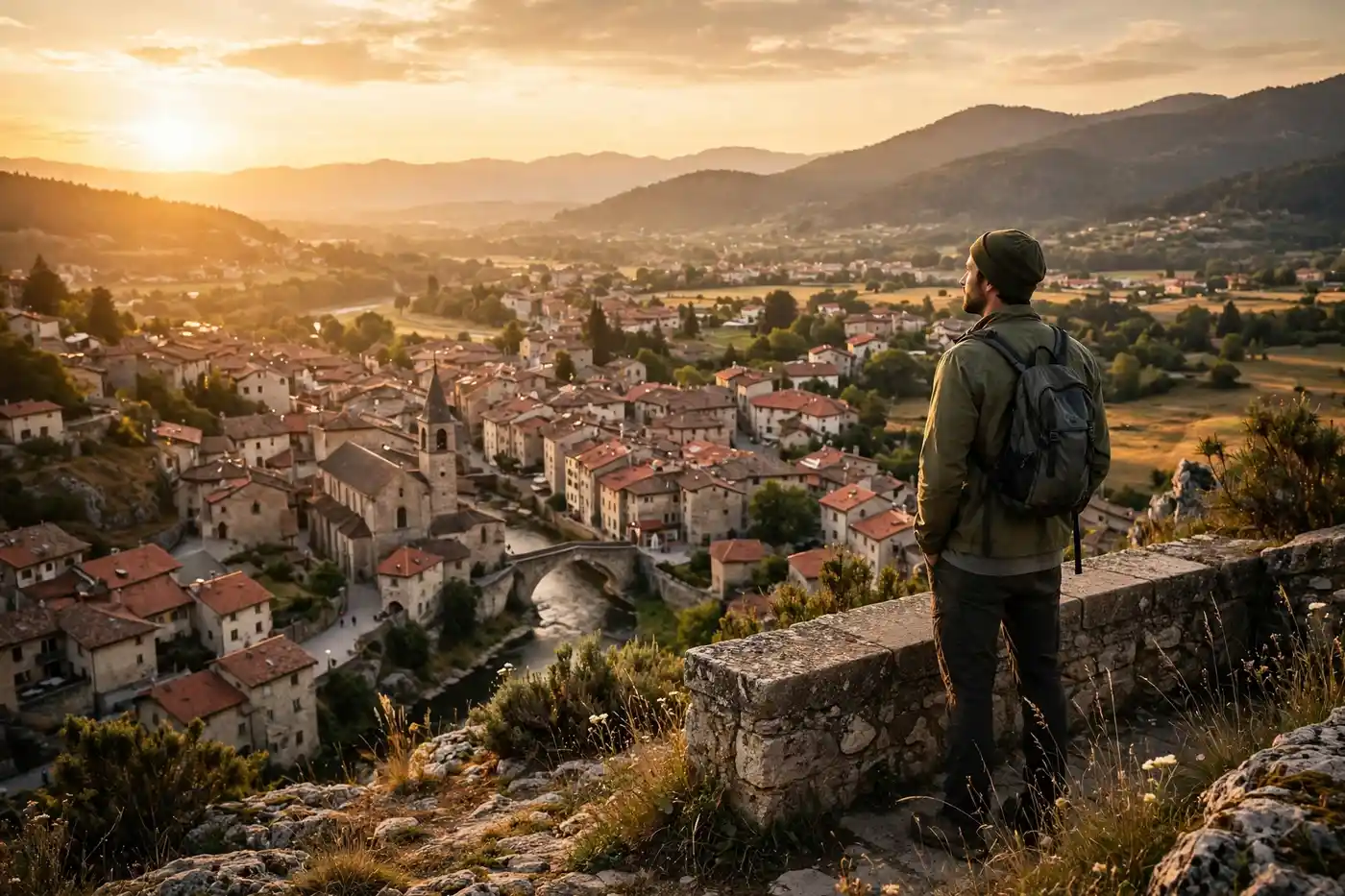
Your first solo trip does not need to be the most ambitious one. A destination with good public transport, plenty of accommodation choice and a well-trodden visitor trail lets you practise travelling alone without fighting logistics at every step. Cities are often easier than remote areas for a first attempt, because food, transport and help are never far away. A classic city break works well: our guide to places to visit in Paris beyond the tourist trail shows how much a big city offers once you step away from the crowds, and travelling alone means you can linger wherever you like without negotiating with anyone.
It also helps to pick somewhere that matches your comfort level with language and culture. A place where you can at least read signs and ask basic questions removes a whole layer of friction. Save the complicated multi-stop itineraries for later trips, when travelling alone already feels normal.
Plan the Skeleton, Leave the Days Loose
Solo travellers benefit from a light structure: book your first nights of accommodation, know how you will get from the airport or station to where you are staying, and have a rough list of things you want to see. Beyond that, leave room to improvise. One of the real pleasures of travelling alone is changing your mind at breakfast and doing something completely different by lunch.
Before you go, save the practical essentials in more than one place. Keep digital copies of your passport, bookings and insurance documents in cloud storage and on your phone, and leave a copy of your itinerary with someone at home. Share your rough plans and check in regularly, not because anyone is supervising you, but because a simple routine means someone would notice quickly if you went quiet. Historic cities reward this kind of loose planning — the layered streets covered in our guide to the best places to visit in Prague are best explored with a map in your pocket and no fixed schedule.
Pack Light and Pack Deliberately
When you travel alone, you are your own porter, so every extra kilo is yours to carry up station stairs and across cobbled squares. Aim for a bag you can lift into an overhead rack without help. Choose clothes that mix and match, dry quickly and suit the activities you have actually planned rather than the ones you might theoretically do. A small daypack inside your main bag keeps daily essentials separate and secure.
A few items earn their space on every solo trip: a portable charger, a universal travel adapter, any medication you rely on, a photocopy of key documents kept apart from the originals, and a payment card stored separately from your main wallet as a backup. Packing this way is a habit that pays off on every future journey, whether you are heading somewhere familiar or somewhere entirely new, like the lesser-known Chinese city in our complete guide to Quzhou travel.
Stay Safe Without Spoiling the Trip
Safety for solo travellers is mostly about ordinary awareness rather than anything dramatic. Arrive at new places during daylight when you can, especially on your first day, so your first impression of a neighbourhood comes with people around and businesses open. Trust your instincts about situations and people; if something feels off, you never owe anyone an explanation for leaving, changing carriages or stepping into a busy shop.
Blend in where you can. Walk with purpose, keep valuables out of sight, and be thoughtful about sharing your exact plans with strangers you have just met — friendly conversation does not require your hotel name or your full itinerary. Keep your phone charged, know the local emergency number, and make sure your accommodation has your next of kin’s details if the booking form asks. None of this should make a trip feel tense. It is background habit, the same way you lock your front door at home without thinking about it. Round-ups such as our list of the best places to visit in the United States are a useful starting point for choosing well-established destinations where first-time solo travellers will find plenty of infrastructure around them.
Enjoy the Freedom — and Eat Well Alone
The part many first-time solo travellers quietly worry about is eating alone. In practice, it is one of the freedoms of the format: you choose where, when and what, every single time. Lunch counters, markets and cafes with small tables are all comfortable solo territory, and a book or journal turns a long leisurely dinner into a pleasure rather than a test. Smaller destinations can be especially welcoming — the small-town adventure atmosphere in our guide to Travelers Rest in South Carolina is the kind of place where a traveller on their own quickly feels like a regular.
Expect a wobble at some point. Almost every solo traveller has an evening where they wonder why they did not just stay home, and it almost always passes after food, sleep and a plan for the next morning. Build your days around one or two anchor activities, let the rest unfold, and keep a small daily budget of treats — the good coffee, the viewpoint at sunset, the museum you were not sure about. Travelling alone teaches you what you actually enjoy, at your own pace, and that knowledge makes every trip after the first one better. Start with these habits, take the trip, and you will wonder why you waited so long.