Unexpected boiler breakdowns, electrical faults and plumbing emergencies can quickly disrupt everyday life. Home emergency cover is designed to provide assistance when certain household problems occur, potentially giving homeowners and tenants access to repair or call-out support when they need it most. However, policies and memberships can vary significantly, so understanding what is actually covered is important before choosing a plan.
What Is Home Emergency Cover?
Home emergency cover is a type of household assistance designed to help with specified unexpected problems affecting essential systems within a property. Depending on the provider and policy, this can include emergencies involving plumbing, drainage, heating, boilers, electricity, gas or other essential home services.
The purpose is generally to provide access to assistance when a covered emergency happens rather than to replace ordinary home maintenance. That distinction matters because a policy may respond to a sudden failure but exclude problems caused by gradual deterioration, poor maintenance or an existing fault.
Before taking out any plan, check the policy wording carefully. The name of the product alone does not tell you exactly which repairs, components, call-outs or costs are included.
What Can Home Emergency Cover Include?
The exact protection depends on the provider, but home emergency products commonly focus on urgent household problems that need attention to restore essential services or prevent further damage.
Boiler and Heating Emergencies
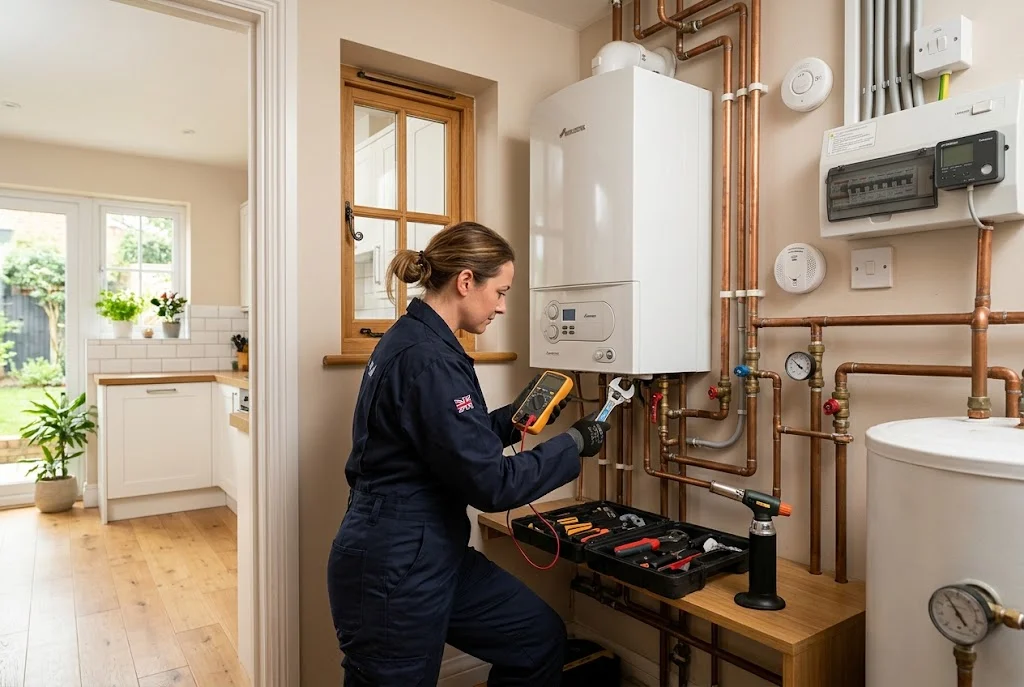
Boiler problems can become particularly disruptive during colder weather. Depending on the terms, a plan may provide assistance following certain boiler or heating failures.
However, boiler cover can have restrictions relating to the age, type or condition of the boiler. Some plans may also exclude replacement rather than repair, meaning homeowners should not assume that a breakdown automatically means a new boiler will be provided.
Electrical Emergencies
Electrical faults can range from a sudden loss of power to problems affecting sockets, switches or parts of a household electrical installation. Emergency assistance may be available under certain plans when the problem meets the provider’s definition of a covered electrical emergency.
For broader information about electrical faults and household maintenance, see our guide to home electrical repairs.
Plumbing Emergencies
Leaks, burst pipes and certain drainage problems can cause substantial disruption and property damage. Some emergency plans include plumbing assistance where the incident falls within the policy terms.
For non-emergency maintenance and local repair guidance, our article on plumbing services near me provides a broader overview of household plumbing problems.
Boiler and Home Emergency Cover: What Should You Check?
Boiler and home emergency cover may sound comprehensive, but different providers define their protection in different ways. One policy may include emergency boiler repairs, while another may combine boiler assistance with plumbing, drainage and electrical support.
When comparing plans, check:
- Which boiler types and systems are covered.
- Whether repairs or replacement are included.
- Whether parts and labour are covered.
- Any maximum claim or repair limits.
- Whether an excess applies.
- Any waiting period before you can make a claim.
- Exclusions relating to existing or recurring faults.
- Whether emergency call-outs are available outside standard hours.
These details can make a significant difference to the practical value of a policy. A plan with a low monthly price may provide less useful protection if important components or repair costs are excluded.
Does Home Insurance Cover Boiler Replacement?
People sometimes assume that standard home insurance will automatically pay for a failed boiler. In reality, the answer depends on the specific insurance policy and the reason for the failure.
Home insurance cover boiler replacement questions should therefore be answered by checking the relevant policy documents rather than relying on assumptions. Insurance may respond differently to sudden accidental damage, insured events and mechanical or electrical breakdown.
A boiler breaking down because of age or normal wear may not be treated in the same way as damage caused by an insured event. Separate boiler or home emergency protection may therefore be considered by households that want assistance with certain breakdown scenarios.
Always read the wording, exclusions and claim conditions before deciding whether additional cover is worthwhile.
Homeserve Insurance Company: What Should Customers Consider?
Homeowners searching for Homeserve insurance company information will find that the important question is not simply whether a provider offers emergency protection, but what the particular product includes.
When researching a provider such as HomeServe, compare the actual membership or policy terms rather than relying only on advertisements, reviews or search results. Look at the covered emergencies, claim limits, exclusions, response arrangements and any charges that may apply.
It is also useful to distinguish between a company, a specific membership product and an insurance-backed policy. These can have different terms and responsibilities, so the documentation associated with the exact plan should be your main reference.
HomeServe Membership Ltd and Emergency Assistance
Searches for HomeServe Membership Ltd can lead people to information about membership-based home assistance. If you are considering a membership, check precisely what services are included and whether the assistance matches the problems you are most concerned about.
For example, a homeowner primarily worried about boiler breakdowns may have different requirements from someone who wants protection against plumbing leaks and electrical faults as well.
Do not assume that all HomeServe products offer identical protection. Product names, terms and availability can change, so check the current documentation associated with the plan you are considering.
Is HomeServe Worth It?
The question is HomeServe worth it has no universal answer because the value depends on the property, the cost of the plan and the level of assistance included.
A household may value emergency support because arranging a professional at short notice can be inconvenient and potentially expensive. Another homeowner may prefer to keep money aside for repairs and use independent contractors when problems occur.
To assess the value, compare the annual cost of the plan with its coverage limits, excesses, exclusions and likely usefulness. Consider the age and condition of your boiler, plumbing and electrical systems as well.
Most importantly, do not buy a policy simply because the phrase “home emergency” sounds comprehensive. The small print determines what you actually receive.
What Is a Home Emergency?
A home emergency is generally an unexpected problem that requires prompt attention because it affects essential services, creates a safety issue or could cause significant damage if left unresolved.
A burst pipe is a straightforward example because continuing water flow can quickly damage floors, walls and furnishings. A serious electrical fault may also require urgent professional attention because of the potential safety risk.
By contrast, a dripping tap or cosmetic plumbing issue may be treated as routine maintenance rather than an emergency. The precise definition varies between providers, so always check the policy wording.
HomeServe Contact, Phone and Telephone Information
Customers searching for HomeServe contact, HomeServe phone or HomeServe telephone number information should use the official contact details associated with their current policy or membership documentation.
This is particularly important during an emergency because search results can contain outdated contact information. If you already have a membership, your policy documents, account area or official provider communications are usually the best places to confirm the appropriate contact route.
For the same reason, searches such as HomeServe emergency phone number and HomeServe emergency telephone number should be checked against current official information rather than relying on an old directory listing.
HomeServe Opening Hours and Emergency Support
Another common question concerns HomeServe opening hours. Emergency assistance and standard customer-service hours may not necessarily be the same.
If you need help outside normal customer-service hours, check your membership documents for the emergency reporting process. Some services may operate differently depending on the type of problem and the level of assistance included in your plan.
When dealing with an urgent fault, have your policy or membership details available if possible. Explain the problem clearly and follow any immediate safety instructions provided by the service.
HomeServe Log In and Account Information
Customers may also search for HomeServe log in or HomeServe account information when they need to check their membership, policy details or service information.
Using the provider’s official website or the account link supplied in your documentation is preferable to entering personal information into an unfamiliar website. Your online account may provide useful information about your plan, but emergency reporting instructions should still be confirmed through the appropriate official channel.
What Home Emergency Cover Does Not Necessarily Include
One of the most important parts of comparing cover is understanding exclusions. Emergency plans are not necessarily designed to pay for every repair inside a property.
Depending on the policy, exclusions may apply to issues such as pre-existing faults, gradual deterioration, poor maintenance, cosmetic damage or components outside the defined scope of cover.
There may also be limits on how much the provider will spend on a particular claim or how many claims can be made within a specified period.
This is why reading the policy wording before purchasing is just as important as comparing prices.
Home Emergency Cover vs Paying for Repairs Yourself
There are two broad approaches homeowners may consider. The first is paying for individual repairs when problems occur. The second is paying for a service or policy that provides assistance for specified emergencies.
Neither approach is automatically better. Paying directly gives you freedom to choose a contractor and only spend money when a repair is needed. Cover can provide reassurance and a defined route to assistance, but you pay for the plan whether or not you make a claim.
Consider the condition of your property, your ability to handle unexpected repair costs and the specific systems you want protected.
How to Choose the Right Home Emergency Protection
Before purchasing any plan, create a simple checklist of the household systems that matter most to you. You may be primarily concerned about the boiler, while another household may place greater importance on plumbing or electrical emergencies.
Then compare plans based on actual coverage rather than headline benefits. Check claim limits, excesses, exclusions, waiting periods and the process for requesting assistance.
If your main concern is a particular system, standalone specialist protection may sometimes be more relevant than a broad package. If you want assistance across several household systems, combined protection may be worth investigating.
Final Thoughts on Home Emergency Cover
Home emergency cover can provide useful support when unexpected boiler, plumbing or electrical problems occur, but its value depends entirely on the protection offered by the specific plan.
Before choosing a policy or membership, examine the terms carefully. Check what constitutes an emergency, which systems are included, whether repairs or replacement are covered and what exclusions or claim limits apply.
Whether you choose emergency protection or prefer to arrange repairs independently, maintaining your home’s plumbing, heating and electrical systems remains important. Acting early when faults appear can help reduce disruption and prevent minor problems from becoming more serious.
As homeowners navigate the complexities of maintaining their properties, particularly in the face of unexpected emergencies, it becomes increasingly clear that a proactive approach to home safety and functionality is essential. This is especially true for older adults, who may face unique challenges that require thoughtful consideration and strategic planning. Enhancing a home’s accessibility not only mitigates the urgency of emergency situations but also promotes a more comfortable and independent living environment. Incorporating practical modifications, such as safer bathrooms and improved mobility features, can significantly benefit elderly residents. For more insights on enhancing living spaces, explore effective home adaptations for elderly individuals, ensuring that their homes remain safe and functional for years to come.