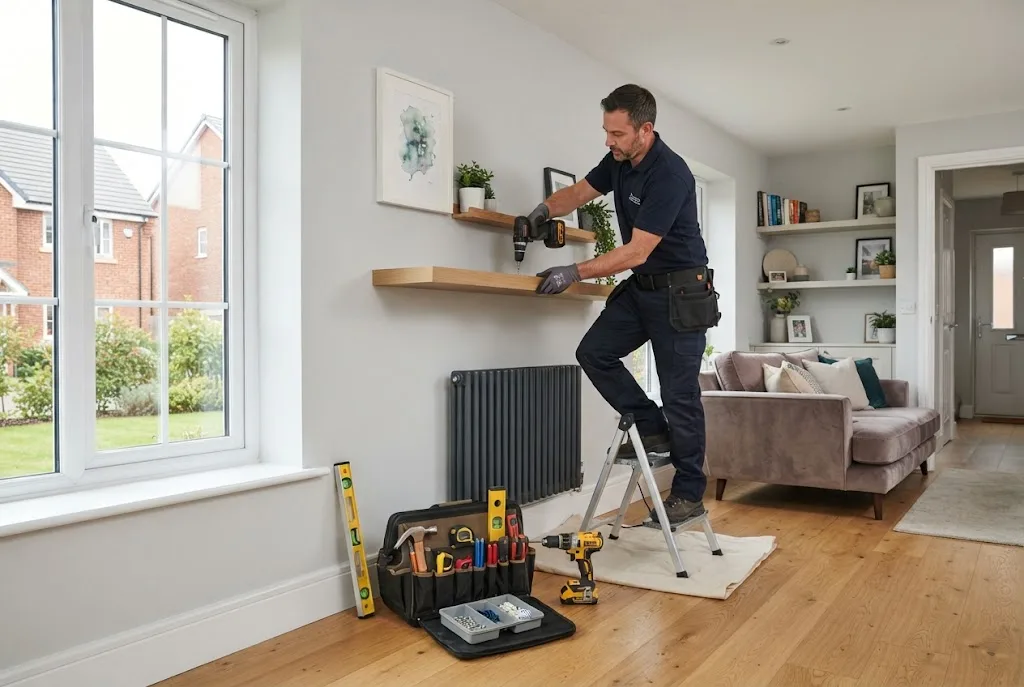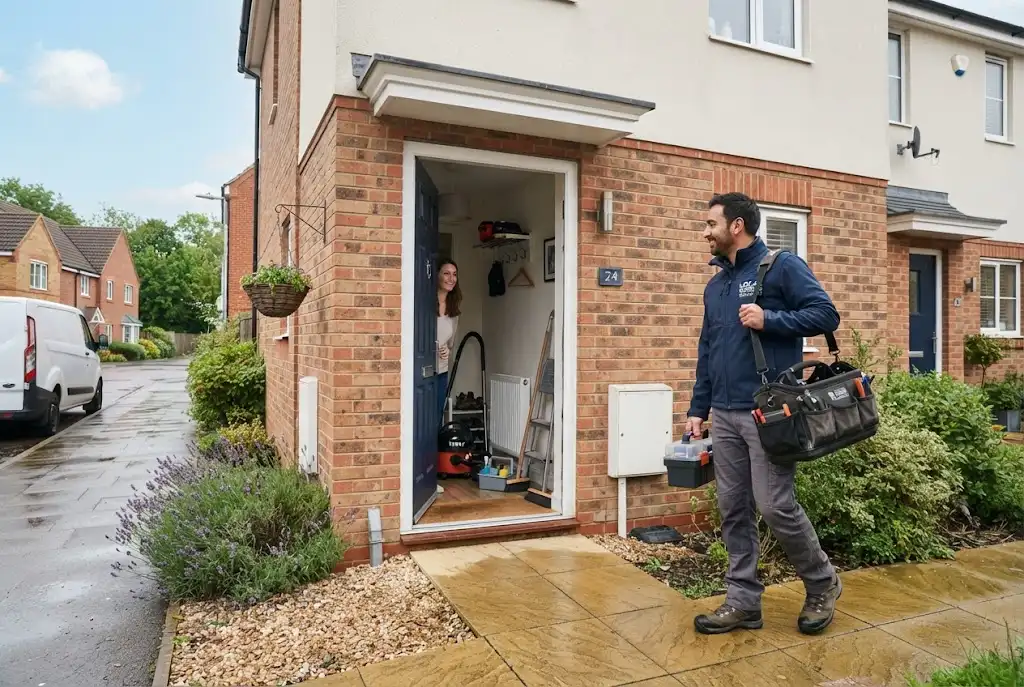

Appliance insurance can seem like an unnecessary household expense when your washing machine, fridge, dishwasher or oven is working perfectly. However, a sudden breakdown can quickly turn into an unexpected repair or replacement bill. For UK households that rely on several major appliances every day, having the right level of protection can provide useful financial reassurance.
The important question is not simply whether appliance insurance is good or bad. It is whether the cover makes sense for your particular appliances, their age, repair costs and your ability to pay for an unexpected breakdown. This guide explains how appliance insurance works, what to check before buying it and when paying for cover may be worthwhile.
What Is Appliance Insurance?
Appliance insurance is designed to help with certain costs when a covered domestic appliance breaks down or, depending on the policy, suffers accidental damage. Policies can cover individual appliances or several household products under one plan.
Typical household appliances that may be covered include washing machines, tumble dryers, dishwashers, refrigerators, freezers, ovens and other electrical goods. The exact protection varies considerably between providers, so homeowners should always read the policy terms before deciding.
Some plans focus mainly on mechanical or electrical breakdowns after a manufacturer’s guarantee ends. Others can include accidental damage or replacement options. There may also be exclusions, excesses, claim limits and restrictions relating to appliance age or condition.
Is Appliance Insurance Worth It in the UK?
Whether appliance insurance is worth paying for depends largely on your household circumstances. A homeowner with several older appliances may value predictable monthly costs, while someone with relatively new appliances may prefer to rely on existing manufacturer protection and keep money aside for future repairs.
One useful way to think about the decision is to compare the annual cost of the policy with the realistic cost of repairing or replacing the appliances it covers.
For example, if you have several expensive appliances that would be difficult to replace immediately, protection may offer useful peace of mind. On the other hand, if a policy has a high premium, a significant excess and many exclusions, putting the same money into a household repair fund could potentially be more flexible.
When Cover May Make More Sense
- You have several expensive appliances in your home.
- Your appliances are approaching or have passed their manufacturer’s guarantee period.
- A major breakdown would be difficult for your household budget to absorb.
- You prefer predictable household costs rather than unexpected repair bills.
- You want access to an organised repair service when something goes wrong.
When You May Not Need It
- Your appliances are relatively new and already covered by manufacturer guarantees.
- You have enough savings to handle occasional repair costs.
- The policy excludes the appliances or faults you are most concerned about.
- The premium and excess make potential claims poor value.
- You are considering cover without checking your existing home insurance or warranty protection.
What Does House Appliances Insurance Usually Cover?
House appliances insurance can vary significantly from one provider to another. Some policies concentrate on breakdowns, while others may offer broader protection. Therefore, never assume that every appliance or every type of damage is automatically included.
Before purchasing a policy, check whether it covers parts and labour, engineer call-outs, accidental damage, replacement appliances and any associated limits. You should also check whether the insurer can repair the appliance or has the right to replace it instead.
The policy may also specify an excess. This is the amount you may need to pay towards an approved claim. A policy with a low monthly premium can look attractive initially, but a large excess could make smaller repairs less worthwhile.
It is also important to check whether the policy covers the full replacement value or uses a contribution, voucher or other arrangement. The wording can make a significant difference when you actually need to make a claim.
Check Your Existing Warranty Before Buying Cover
One of the easiest ways to avoid paying for unnecessary protection is to check what you already have. A new appliance may still have a manufacturer’s guarantee, while some retailers offer additional protection as part of the purchase.
You should also check your existing home insurance documents. Buildings and contents insurance does not automatically provide the same protection as appliance breakdown cover, but your policy may contain relevant provisions for certain types of accidental damage or household incidents.
UK consumers should also understand that warranties and guarantees can sit alongside their existing legal rights. Citizens Advice explains how warranties and guarantees can affect your options when goods develop faults.
Appliance Insurance vs Paying for Repairs Yourself
The main alternative to insurance is self-funding. Instead of paying a monthly premium, you could put the equivalent amount into a dedicated household maintenance fund.
This approach gives you complete control over the money. If nothing breaks, the savings remain available for another home expense. However, it also means accepting the risk of a large repair bill arriving at an inconvenient time.
Insurance works differently. You pay for protection whether or not you make a claim, but the policy may help reduce the financial impact of an eligible breakdown.
There is no universally correct option. The better choice depends on your budget, risk tolerance, appliance portfolio and the terms of the policy available to you.
How Kitchen Appliance Care Can Reduce Problems
Kitchen appliance care should not be overlooked simply because you have insurance. Good maintenance can help appliances operate efficiently and may reduce avoidable problems.
Simple habits can make a difference. Keep appliance filters clean where the manufacturer recommends it, avoid overloading washing machines and dishwashers, keep ventilation areas clear and follow the manufacturer’s cleaning and maintenance instructions.
It is also sensible to deal with unusual noises, leaks, error messages or performance changes rather than ignoring them. A small problem can sometimes become more expensive if an appliance continues operating with a fault.
Maintenance is particularly important when you are relying on a protection plan. Policies commonly contain conditions relating to correct installation, maintenance and use, so keeping manuals and relevant purchase documents can be useful.
What About Domestic & General Boiler Care?
Boilers are different from ordinary kitchen appliances because a breakdown can affect heating and hot water as well as household comfort. Some homeowners therefore consider dedicated boiler protection or service plans alongside cover for other appliances.
When researching domestic and general boiler care, compare the actual service provided rather than choosing a plan based solely on its monthly price. Look at what components are covered, whether an annual service is included, the excess, repair limits and eligibility requirements.
If your main concern is a heating failure, compare dedicated boiler protection with other options before purchasing an appliance plan that may not provide the type of support you need.
For homeowners researching the subject further, the next article in this cluster will examine gas appliance servicing and the safety checks UK homes need.
Domestic & General Boiler Repair: What Should You Check?
If your boiler has stopped working, it is important to understand what your existing plan actually promises. Search terms such as domestic and general boiler repair, domestic and general boiler service booking and domestic and general call often indicate that a homeowner is looking for practical support after a heating problem occurs.
Before requesting a repair, check your plan documentation for the correct claims or service process. Keep your policy details, appliance information and previous service records accessible. If an engineer visit is required, follow the provider’s instructions rather than arranging work that could conflict with the terms of your cover.
For customers who need account information, the relevant provider’s official online account area may also be useful. Searches such as domestic and general sign in can help customers locate their account, but always make sure you are using the provider’s legitimate website rather than an unofficial page.
Questions to Ask Before Buying Appliance Insurance
Do not judge a policy by price alone. Ask the following questions before committing:
- Which appliances are covered?
- How old can an appliance be when cover starts?
- Are breakdowns, accidental damage or both included?
- How much is the excess?
- Is there a maximum number of claims?
- Is there a maximum repair or replacement value?
- Are parts and labour included?
- Are there waiting periods or claim restrictions?
- What maintenance responsibilities does the policy place on you?
- What happens if an appliance cannot be economically repaired?
- Do existing warranties already cover the appliance?
- Can you cancel the policy and what refund rules apply?
How to Decide If Appliance Insurance Is Right for Your Home
A practical decision starts with your appliances rather than the insurance advertisement. Make a list of your most important household appliances and note their approximate age, current warranty status and likely replacement difficulty.
Next, review the cost of the protection plan, the excess and the main exclusions. Consider whether you could comfortably pay for an unexpected repair yourself. If you have sufficient savings, self-funding may offer greater flexibility. If a major breakdown would put pressure on your household finances, insurance could provide valuable reassurance.
It is also worth considering the inconvenience factor. A broken washing machine, refrigerator or boiler can affect everyday life, particularly in a busy household. Fast access to an approved repair service may therefore have value beyond the simple pound-and-pence calculation.
How Appliance Insurance Fits Into a Wider Home Maintenance Plan
Insurance should be only one part of managing a home. Regular maintenance, sensible budgeting and prompt repairs can all help protect your property and its essential equipment.
If you are building a wider household maintenance routine, the next guide in this cluster will cover home maintenance services and how to manage essential property upkeep.
For situations where you need several types of local help, you can also explore our guide to finding trusted home services near me. And if general repairs are the main concern, our upcoming guide to professional handyman services will explain which household jobs a handyman can typically handle.
Final Verdict: Is Appliance Insurance Worth It?
Appliance insurance can be worthwhile when you have several valuable or older appliances, want predictable household costs or would struggle to cover an unexpected repair. However, it is not automatically good value for every UK household.
The best decision comes from comparing the policy with your existing warranties, home insurance, savings and the likely cost of repairs. Pay close attention to exclusions, excesses, repair limits and eligibility requirements rather than focusing only on the monthly premium.
Most importantly, remember that insurance does not replace good appliance care. Regular maintenance, correct installation and sensible use can help you get more reliable service from the equipment that keeps your home running. When protection and preventative maintenance are considered together, you can make a much more informed decision about how to manage household appliance costs.