Home maintenance services can make it much easier to keep a property safe, comfortable, functional and in good condition. From fixing a dripping tap and servicing a boiler to arranging professional cleaning or dealing with larger repairs, regular maintenance helps homeowners stay ahead of problems rather than waiting for small issues to become expensive emergencies.
Managing a home involves more than responding when something breaks. A practical maintenance routine combines preventative checks, cleaning, servicing and timely repairs. This guide explains how to organise home upkeep, which jobs deserve professional attention and how to build a manageable home maintenance checklist for a UK property.
What Are Home Maintenance Services?
Home maintenance services cover a broad range of work designed to keep residential properties in good working order. Depending on the property and its needs, this can include plumbing, heating, electrical work, appliance repairs, decorating, carpentry, cleaning, gardening and general household repairs.
Some maintenance tasks are simple enough for a homeowner to handle safely. Others require specialist knowledge, appropriate qualifications or professional equipment. Gas and electrical work, for example, should not be treated as ordinary DIY jobs.
The main purpose of a maintenance service is to keep essential systems and parts of the property working properly while identifying potential problems before they cause significant disruption.
Why Regular Home Maintenance Matters
A home is made up of many interconnected systems. Heating, plumbing, electrical installations, appliances, doors, windows and external areas all require attention over time. Ignoring maintenance does not necessarily make a problem disappear; in many cases, deterioration can continue unnoticed.
Regular checks can help homeowners spot issues such as leaks, damaged seals, blocked gutters, worn fixtures or unusual appliance behaviour. Early attention may also make planning and budgeting easier because homeowners have more time to decide how and when work should be completed.
Good maintenance can also improve everyday comfort. A well-maintained heating system, properly functioning appliances and clean living environment make a noticeable difference to how a property feels and operates.
How to Manage Home Maintenance Effectively
To manage home maintenance successfully, it helps to divide responsibilities into regular checks, seasonal tasks and occasional professional services. Instead of trying to remember everything at once, create a simple schedule based on the age, condition and type of your property.
Start by identifying the systems and areas that are most important to your household. Heating and hot water are usually high priorities, followed by plumbing, electrical systems, appliances, security and the building itself.
Keep records of important servicing, repairs and replacements. This can help you understand when work was last completed and identify recurring problems. It can also be useful if you later need to explain the property’s maintenance history to a professional.
Building a Practical Home Maintenance Checklist
A useful home maintenance checklist should be realistic rather than overwhelming. You can divide it into weekly, monthly, seasonal and annual tasks.
Regular Household Checks
- Look for visible leaks around sinks, toilets and appliances.
- Check for unusual smells, noises or changes in heating performance.
- Keep ventilation areas and appliance filters clean where recommended.
- Check that doors and windows open, close and lock properly.
- Look for signs of damp, mould or water damage.
- Test household safety equipment according to the manufacturer’s instructions.
Seasonal Maintenance
Seasonal changes can highlight different maintenance requirements. Before colder weather arrives, check heating arrangements and look for obvious problems with windows, doors and other areas where drafts or moisture may become an issue.
During warmer months, external areas can receive more attention. Gutters, outdoor drainage, garden areas, fences and exterior surfaces may all benefit from inspection depending on the property.
Annual Professional Checks
Some systems benefit from planned professional servicing. Heating equipment, gas appliances and other specialist installations should be maintained according to applicable requirements and manufacturer guidance.
For gas-related work, homeowners should use an appropriately qualified professional. The Health and Safety Executive provides domestic gas safety guidance for UK households.
Property Maintenance Services for Essential Systems
Property maintenance services can cover many different parts of a home, but some systems deserve particular attention because a fault can quickly affect the rest of the property.
Heating is a good example. A boiler problem can mean losing heating or hot water, while a plumbing leak can cause damage to floors, walls or furnishings if it is not dealt with promptly.
Electrical problems should also be taken seriously. Flickering lights, repeated circuit trips, damaged sockets or unusual electrical smells are not issues to ignore. Rather than attempting complex electrical work yourself, seek appropriate professional assistance.
Heating and Boiler Maintenance
Heating systems are among the most important areas of home upkeep in the UK. A sensible maintenance routine should include following the manufacturer’s recommendations and arranging appropriate professional servicing where required.
If a boiler begins making unusual noises, repeatedly loses pressure, displays a fault code or fails to provide heating or hot water, it may require professional attention.
Homeowners should distinguish between routine servicing and emergency repairs. A planned service is preventative, while a breakdown may require diagnosis and repair. Keeping these tasks separate in your maintenance schedule makes it easier to respond appropriately.
If you need broader information about gas safety, our guide to gas appliance servicing explains why professional checks matter for UK homes.
Looking After Household Appliances
Modern homes depend heavily on appliances. Washing machines, dishwashers, refrigerators, ovens and other equipment can become expensive to replace when they fail unexpectedly.
Basic appliance care should follow the manufacturer’s instructions. Keep filters and accessible components clean where recommended, avoid overloading equipment and investigate unusual noises, leaks or performance changes instead of continuing to use a potentially faulty appliance.
Homeowners who are concerned about unexpected appliance repair costs can also read our guide to appliance insurance in the UK. It explains some of the factors to consider when deciding whether protection is worthwhile.
Home Repair Services: When to Call a Professional
Home repair services become particularly valuable when a problem is beyond straightforward DIY maintenance. Professional assistance can be appropriate for jobs involving specialist skills, safety risks, complex diagnosis or equipment that requires qualified handling.
Common examples include plumbing repairs, electrical work, heating faults, appliance repairs, roof issues and certain structural problems.
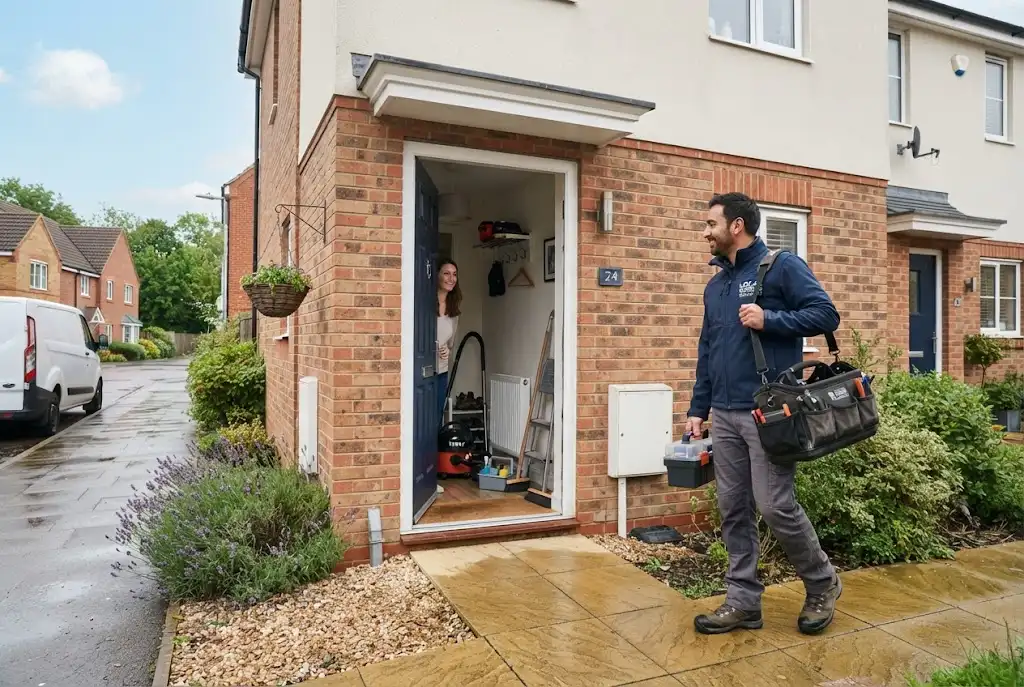
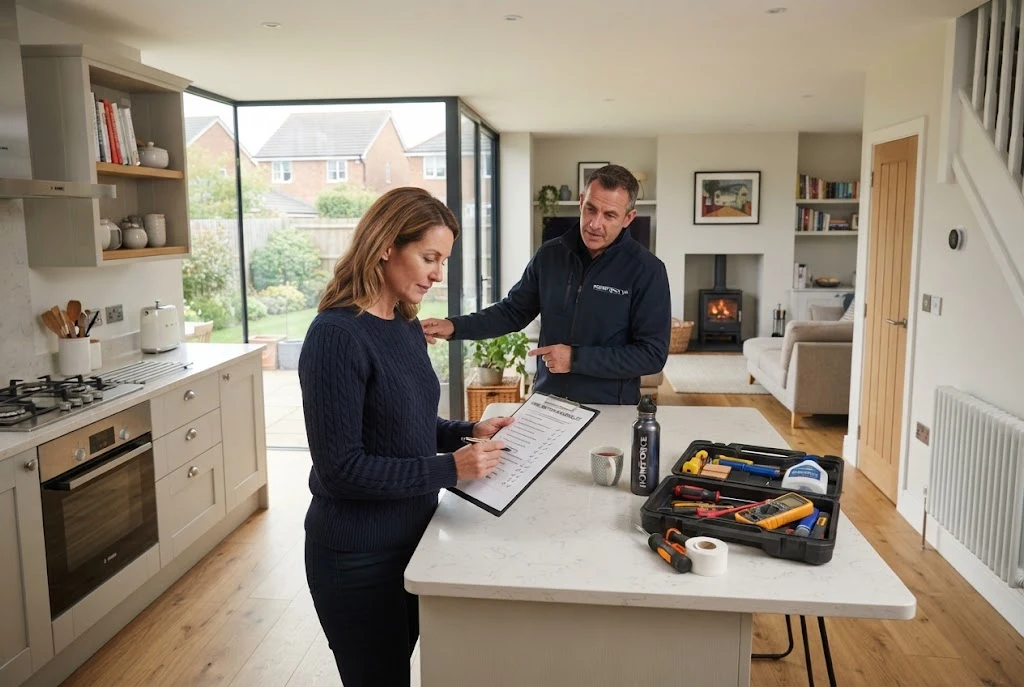
Before booking a service, describe the problem accurately and provide useful details such as the affected room, appliance or system. If possible, explain when the issue started and whether it has become worse.
Clear information can help a professional understand the likely scope of the job and determine whether they have the right expertise and equipment.
When a Handyman Can Help
Not every household repair requires a specialist contractor. A handyman can be useful for a range of general jobs that do not involve regulated or specialist systems.
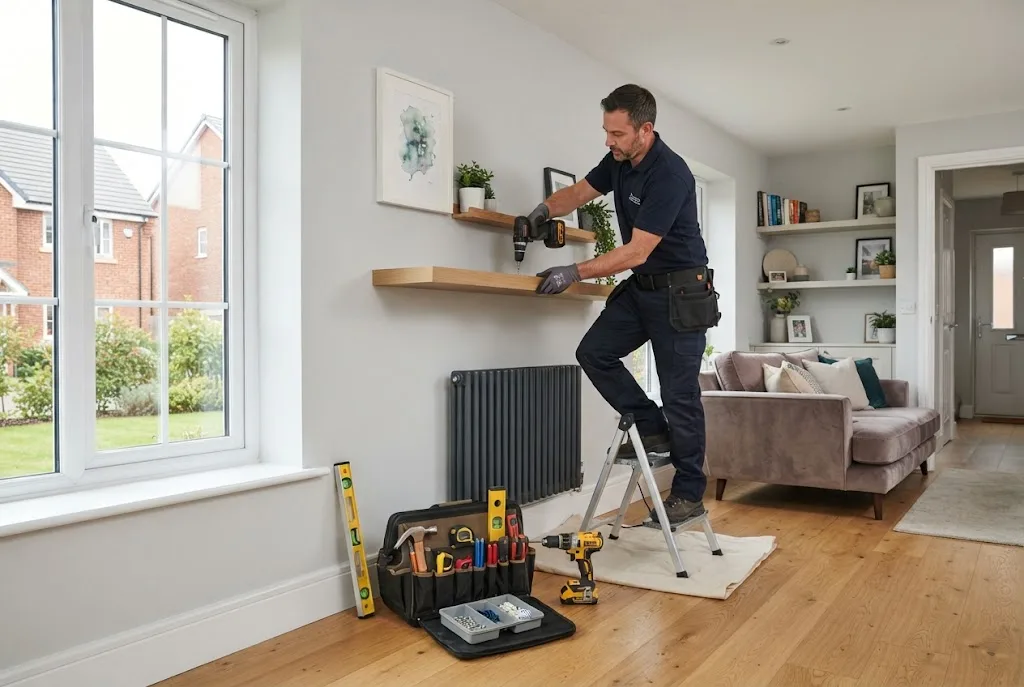
Typical tasks may include assembling furniture, hanging shelves, adjusting doors, repairing minor fixtures, putting up curtain rails and completing straightforward decorating or carpentry jobs.
However, homeowners should not assume that a general handyman is suitable for every repair. Gas, complex electrical work and other specialist tasks should be handled by appropriately qualified professionals.
If you have several small jobs around the property, our guide to professional handyman services explains how these services can fit into a wider home maintenance plan.
Cleaning as Part of Home Upkeep
Cleaning is sometimes treated as separate from maintenance, but the two can overlap. Regular cleaning can help homeowners notice damage, leaks, mould, blocked areas or deterioration that might otherwise go unnoticed.
Some households manage cleaning themselves, while others use professional cleaners for regular or occasional support. If you are comparing local options, our guide to home services near me covers how to evaluate local professionals for different household requirements.
The important point is to choose the right service for the task rather than treating every home job as interchangeable.
Preventative Maintenance vs Emergency Repairs
There is a major difference between maintaining a home proactively and reacting to emergencies. Preventative maintenance gives you an opportunity to identify and address developing problems before they cause major disruption.
For example, replacing a worn seal may be relatively straightforward, whereas ignoring a leak could eventually result in water damage. Similarly, addressing unusual boiler behaviour early may be more manageable than waiting for a complete breakdown during cold weather.
This does not mean every minor issue requires immediate professional intervention. Instead, homeowners should assess the seriousness of the problem and avoid ignoring symptoms that could indicate a larger fault.
How to Choose Home Maintenance Services
When choosing a maintenance professional, start by identifying exactly what needs to be done. A general handyman may be suitable for basic household jobs, while plumbing, electrical, heating or gas-related work may require a specialist.
Consider the professional’s relevant experience, qualifications where applicable, insurance arrangements and customer reviews. Ask for a clear explanation of the proposed work and understand whether the quotation includes materials, labour and any additional charges.
A very low price should not automatically be considered the best deal. Quality, suitability and safety matter just as much as cost when someone is working on your home.
Creating a Home Maintenance Budget
Home maintenance becomes easier when it is included in the household budget. Instead of treating every repair as an unexpected expense, consider setting aside money for routine servicing, replacement parts, general repairs and larger future projects.
Prioritise essential systems first. Heating, plumbing, electrical safety and structural issues generally deserve more urgent attention than cosmetic improvements.
You can then plan lower-priority work around your available budget. This approach helps prevent a long list of maintenance tasks from becoming overwhelming.
How Home Maintenance Supports Long-Term Property Care
Good home upkeep is not just about fixing today’s problem. It is about maintaining the property over the long term. Consistent attention to heating, plumbing, appliances, cleaning, fixtures and exterior areas can help homeowners understand the condition of their property and plan future work.
A structured maintenance routine can also make it easier to identify which jobs should be handled immediately and which can safely be scheduled for later.
For larger properties or households with many maintenance requirements, using a combination of specialist contractors and general home upkeep services may be more practical than trying to manage every task personally.
Final Thoughts on Home Maintenance Services
Home maintenance services provide practical support for keeping a UK property safe, comfortable and functional. The most effective approach is not to wait until something fails. Instead, combine regular inspections, preventative maintenance, professional servicing and timely repairs.
Start with a manageable home maintenance checklist, keep records of important work and prioritise systems that affect safety and everyday living. Use specialist professionals for specialist jobs, while general household tasks can often be handled through suitable handyman or cleaning services.
Ultimately, good home management comes down to consistency. By dealing with small problems early and planning routine maintenance throughout the year, homeowners can keep their properties in better condition and make household costs easier to manage.