
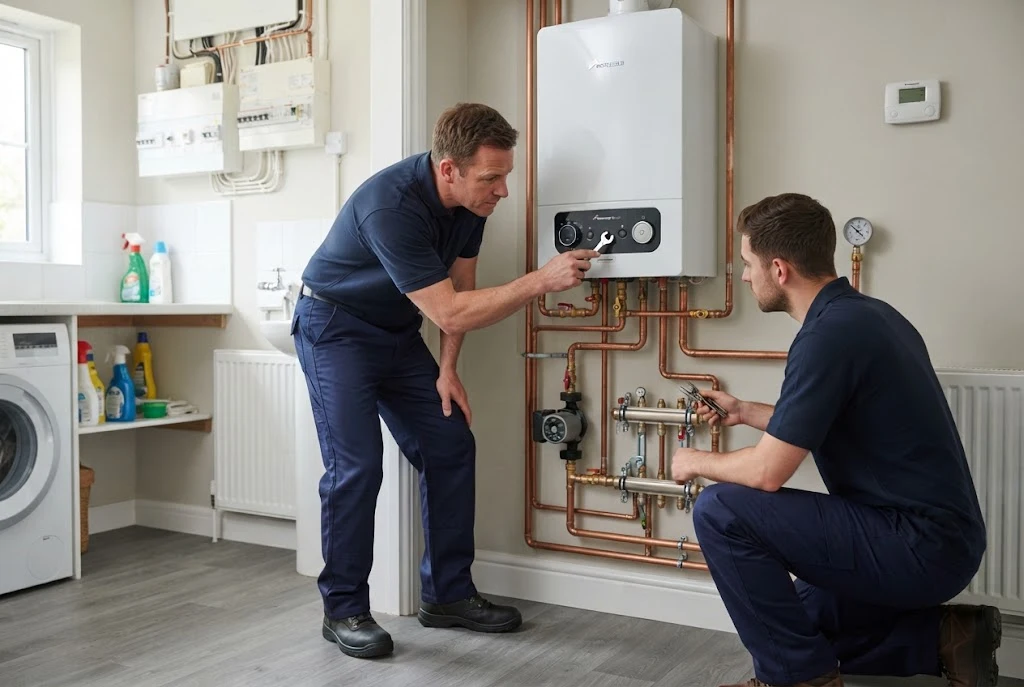
Comparing HomeServe vs British Gas can help homeowners understand the differences between two well-known providers of home assistance and repair cover in the UK. Both offer products designed to provide support when certain household systems or appliances develop problems, but the exact cover, exclusions, service arrangements and pricing can differ between policies.
Choosing home cover is therefore less about finding a universal winner and more about understanding what each policy actually protects. Your priorities may include boiler and heating cover, plumbing and drainage, electrical systems, household appliances or access to repair assistance.
HomeServe vs British Gas: What Are You Comparing?
When people search for HomeServe vs British Gas, they are generally comparing home assistance plans that can provide access to repairs for specified household systems and appliances.
The important point is that neither provider offers one single policy that covers every household in exactly the same way. Available plans, terms, prices and included systems can vary.
Before purchasing cover, read the specific policy documentation for the plan being offered rather than relying only on the provider’s general marketing information.
HomeServe Home Cover Explained
HomeServe provides home assistance products covering selected household systems and appliances, depending on the plan chosen. The purpose of this type of cover is generally to give customers access to assistance when a covered problem occurs.
Depending on the product, cover may relate to areas such as plumbing, drainage, heating, electrical systems or appliances. The exact list of covered items and applicable exclusions should always be checked against the policy terms.
For homeowners considering a HomeServe plan, useful questions include:
- Which systems and appliances are actually covered?
- Is the boiler included?
- Are plumbing and drainage problems covered?
- Are electrical faults included?
- Are there limits on individual claims?
- Are parts and labour included?
- Are there exclusions for pre-existing problems?
- Is there an excess or other customer contribution?
British Gas HomeCare Explained
British Gas offers home assistance through its HomeCare range, with different levels of cover designed around areas such as boilers, heating, plumbing, drainage and electrical systems. The specific inclusions depend on the HomeCare product selected.
As with any service contract, customers should review the current terms rather than assuming that a particular repair or appliance is automatically included.
British Gas HomeCare customers should pay attention to the policy’s definitions, exclusions, claim limits and conditions. These details can have a significant effect on how useful a policy is for a particular household.
British Gas or HomeServe: What Should You Compare?
The question of British Gas or HomeServe becomes easier to approach when the comparison is broken down into individual factors.
1. Type of Cover
Start by identifying the systems and appliances you actually want to protect. A homeowner primarily concerned about boiler and heating problems may have different requirements from someone looking for broader household assistance.
Compare the exact covered items rather than simply comparing the number of features listed in advertisements.
2. Price
Monthly or annual premiums can differ according to the selected cover and any applicable introductory pricing. A cheaper premium does not necessarily mean the policy provides less value, while a more expensive plan does not automatically provide broader protection.
Look at the total expected cost over the policy period and check whether additional charges can apply when making a claim.
3. Excess and Claim Charges
An excess is an important part of the cost comparison. Check whether you have to pay an excess when an engineer visits and whether different types of repairs have different charges.
A policy with a lower monthly premium may have different claim-related costs from one with a higher premium, so comparing only monthly prices can give an incomplete picture.
4. Exclusions
Exclusions can be just as important as the benefits listed in the policy. Some problems, appliances, circumstances or types of damage may not be covered.
Read the exclusions carefully before purchasing. In particular, check how the policy treats existing faults, maintenance issues, age-related problems and replacement components.
Is HomeServe Worth It?
The question is HomeServe worth it depends on the household and the specific policy. Home cover can provide reassurance and access to repair assistance, but its financial value depends on factors such as the premium, likely repair needs, exclusions and the cost of arranging repairs independently.
A homeowner with an older heating system may have different considerations from someone with relatively new appliances and a recently installed boiler.
One useful way to assess the policy is to consider what you are actually trying to protect. If the plan covers systems you are particularly concerned about and the terms are acceptable, it may serve a useful budgeting purpose. If most of the situations you are worried about are excluded, the policy may be less suitable for your needs.
HomeServe Review: What Should You Look At?
When reading a HomeServe review, avoid relying solely on a star rating or individual customer experience. Reviews can provide insight into aspects such as communication, appointment handling and repair experiences, but an individual experience may not reflect every policyholder’s situation.
More useful questions include whether customers describe the service as responsive, whether repair arrangements are clear and whether the actual policy terms match the expectations created by the marketing material.
It is also important to distinguish between reviews of customer service and the financial or contractual value of the insurance or assistance product itself.
HomeCare Cover British Gas: What Does It Offer?
HomeCare cover British Gas customers can access is structured through different HomeCare plans. The exact systems covered depend on the selected product, so checking the current plan documentation is essential.
Homeowners considering HomeCare should look at whether their priorities are addressed. For example, someone mainly concerned about boiler and central heating problems should examine the heating-related cover carefully, including applicable conditions and exclusions.
Likewise, households interested in plumbing, drainage or electrical assistance should verify exactly what is included before purchasing.
HomeServe vs British Gas for Boiler Cover
Boiler cover is one of the areas where homeowners may want a particularly detailed comparison. A boiler breakdown can be disruptive, especially during colder periods, so understanding the terms of any cover before a fault occurs is important.
Compare whether boiler repairs are included, what conditions apply, whether there are limits on claims, whether replacement components are covered and whether servicing or maintenance requirements affect eligibility.
If you are primarily interested in boiler maintenance rather than breakdown cover, remember that an annual service is a separate consideration. Our guide to what a boiler service includes explains the checks normally associated with professional servicing.
Home Cover vs Paying for Repairs Yourself
Home cover is not the only way to manage unexpected repair costs. Some homeowners prefer to pay for repairs when they occur and keep their own emergency fund for household maintenance.
Others prefer a regular premium because predictable payments can make household budgeting easier. The better approach depends on your financial preferences, property condition, age of appliances and tolerance for unexpected repair bills.
It is useful to compare the annual cost of cover with the types of repairs you are realistically concerned about. However, avoid assuming that every future repair will be covered simply because it falls within the general category described by the provider.
Questions to Ask Before Buying Home Cover
Before choosing between providers, ask the following questions:
- What exactly is covered by the selected plan?
- What is specifically excluded?
- How much is the premium?
- Is there an excess when making a claim?
- Are there claim limits?
- Are parts and labour covered?
- Are pre-existing problems excluded?
- Are maintenance requirements attached to the policy?
- Are there waiting periods or restrictions?
- How can a claim be made?
- What happens if a repair cannot be completed?
Getting clear answers to these questions can make the comparison much more meaningful than simply looking at promotional prices.
Home Cover and Wider Household Maintenance
Home cover should not replace normal household maintenance. Appliances, heating systems and other equipment still require appropriate care, and homeowners should respond promptly when problems appear.
Understanding the broader home service costs UK households may face can help you decide whether a home assistance policy fits your overall maintenance budget.
For repairs that fall outside a particular cover plan, our guide to home repair services explains the different types of professional assistance homeowners may need.
Final Thoughts on HomeServe vs British Gas
The HomeServe vs British Gas comparison ultimately comes down to the specific cover, price and conditions offered to you. Both providers have different plans and levels of protection, so comparing provider names alone is not enough.
Look carefully at covered systems, exclusions, excesses, claim limits, parts and labour, servicing requirements and the total cost of the policy. Then consider how those details relate to the age and condition of your own home systems.
Home cover can be useful for some households as a way of arranging assistance and managing certain unexpected repair costs. For others, paying for maintenance and repairs as they arise may be preferable. Reading the current policy terms before committing is the most reliable way to understand what you are actually buying.